Stock Transfer
Facilitate seamless inventory transfers between branches and warehouses with just a few clicks using our software. Whether it’s branch-to-branch, branch-to-warehouse, warehouse-to-warehouse, or warehouse-to-branch transfers, manage them effortlessly. With centralized control, efficiently redistribute inventory among your locations, reducing costs and improving delivery times by ensuring timely availability of stock.
Stock Inward
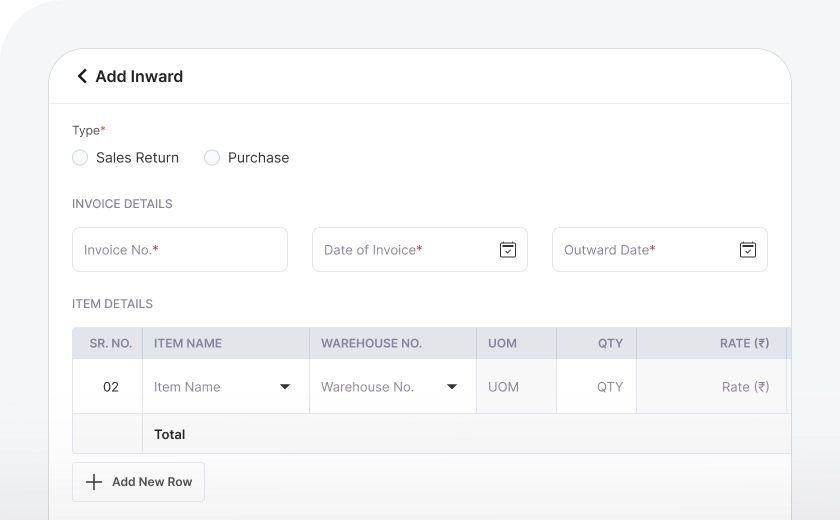
For any organization, stock inward can occur in two ways: purchase or sales return. Our CRM makes it easy to record both types of stock inward by simply filling out a short form. You just need to mention key details like the invoice number, invoice date, and item name. Additionally, you can add remarks for future reference, helping you keep track of the reasons for stock movements and maintain accurate inventory records.
Stock Outward
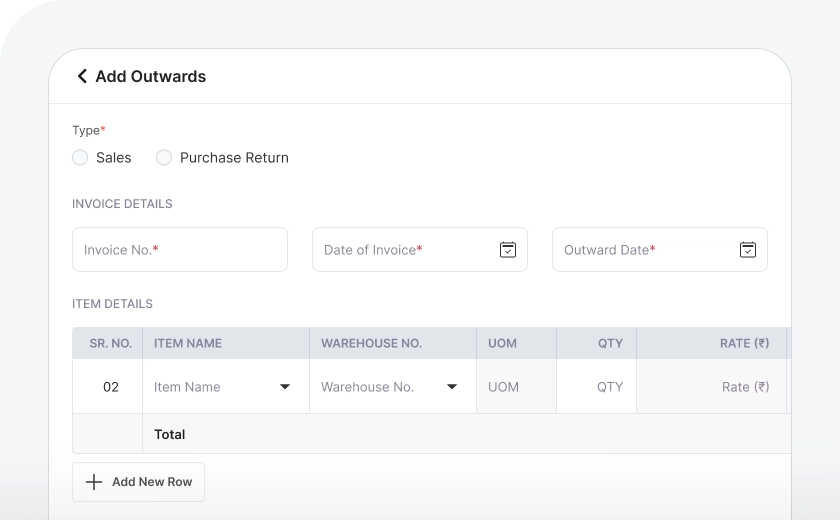
For any organization, stock outward can occur in two ways: sales or purchase return. Our CRM makes it easy to record both types of stock outward by simply filling out a short form. You just need to mention key details like the invoice number, invoice date, and item name. Additionally, you can add remarks for future reference, helping you keep track of the reasons for stock movements and maintain accurate inventory records.
Stock Transfer
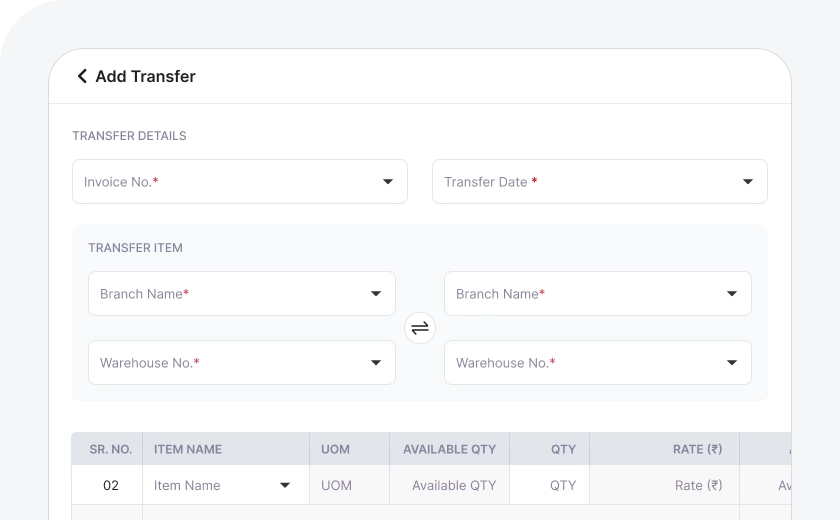
If your business operates with multiple branches and warehouses, Wortal's inventory management system is a game-changer. It allows you to easily manage inter-branch transfers, inter-warehouse transfers, and branch-to-warehouse transfers by generating transfer invoices for each movement. This ensures that you can track every stock movement across your network, providing complete visibility and control over inventory at all locations.
Frequently Asked Questions
Everything you need to know about the Wortal CRM.
What is a stock transfer between branches and warehouses?
A stock transfer is the process of moving inventory from one location (such as a branch or warehouse) to another. This ensures that each branch or warehouse has the right amount of stock based on demand. Transfers can be initiated manually or automatically based on inventory levels. Proper stock transfers help maintain balance and prevent shortages at specific locations.
Why are stock transfers important?
Stock transfers are important because they help balance inventory levels across different locations. By moving stock where it’s needed most, businesses can prevent stockouts and overstocking at specific branches or warehouses. This improves operational efficiency and customer satisfaction. It ensures smooth sales operations and keeps costs under control.
How can stock transfers be tracked?
Stock transfers can be tracked using inventory management software, which updates stock levels in real time. These systems allow businesses to log transfer details like quantities, dates, and destinations. Notifications or alerts can help track when transfers are initiated or completed. This ensures accurate inventory records and timely updates across locations.
Can stock transfers be automated?
Yes, many inventory management systems allow for automated stock transfers based on predefined rules, such as low stock alerts. Automation ensures timely and efficient transfers without manual intervention. This reduces errors, saves time, and ensures that inventory levels are maintained without delays. Automated transfers help streamline operations and improve inventory control.
How do I handle stock discrepancies during transfers?
Stock discrepancies can be minimized by conducting regular stock counts and having clear transfer procedures. Any discrepancies should be investigated immediately to determine if there was a miscount or shipping error. Using barcode scanners or RFID tags during transfers can help reduce mistakes. Keeping accurate records ensures that all transfers are accounted for correctly.
How can I ensure the safe transfer of stock?
Ensuring the safe transfer of stock involves using proper packaging, labeling, and handling procedures. Inventory management systems can help by providing instructions on the items being transferred, including handling requirements. It’s also important to choose reliable transportation and have a clear process for confirming deliveries. These steps help prevent damage and loss during transfers.
How often should stock transfers be done?
Stock transfers should be done regularly based on inventory needs, sales trends, and demand patterns at each location. Some businesses may need to transfer stock weekly, while others may do it monthly. The frequency depends on the size of the operation and the volatility of product demand. Regular transfers help keep inventory balanced and prevent issues like stockouts.