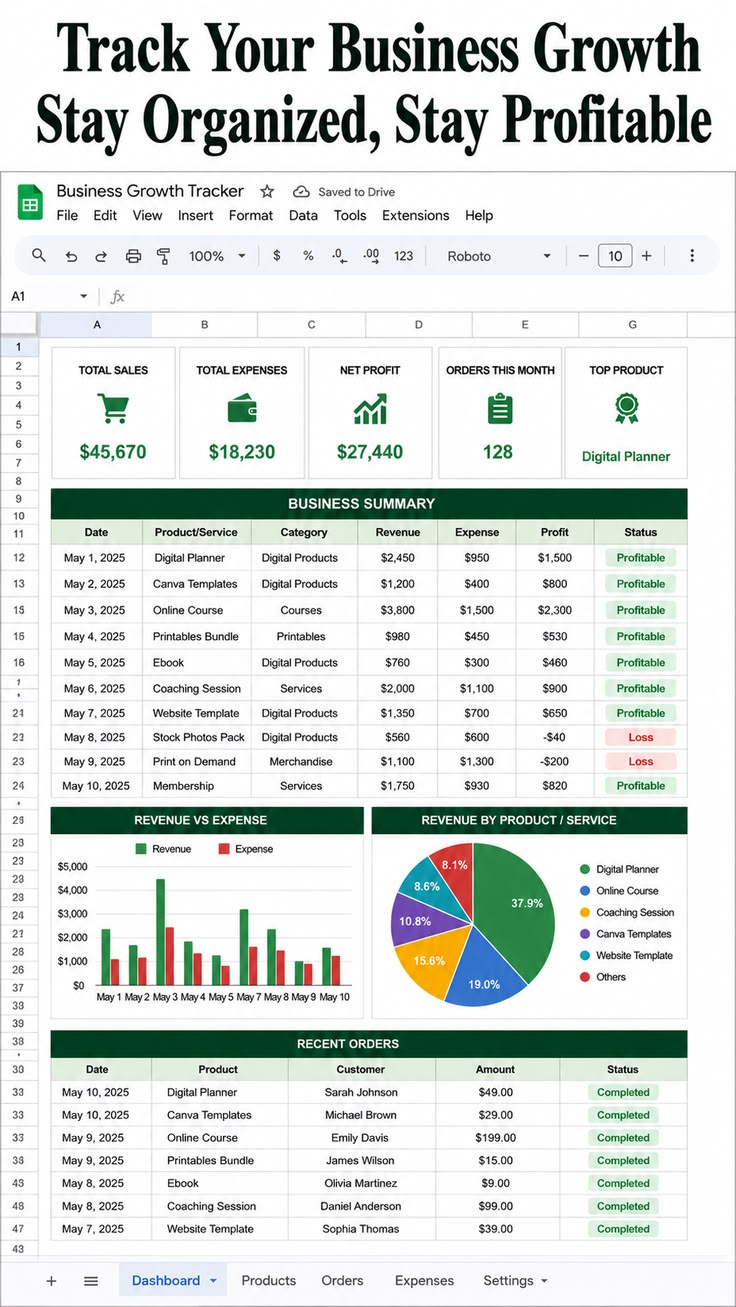


If you run a textile trading business, your day probably starts with a spreadsheet open on your computer screen. You check incoming orders from buyers, cross-reference them with grey fabric availability at the mills, update delivery status, and log payments. For years, Microsoft Excel or Google Sheets has been the backbone of your daily operations. It’s free, familiar, and flexible.
But last Tuesday, something went sideways.
An agent called asking why a 5,000-meter shipment of 60s cotton was delayed by three weeks. You searched your master sheet, only to realize someone overwrote a cell three days ago. The mill never received the loom instruction, the dye lot was missed, and now your buyer is threatening to cancel the deal.
That single spreadsheet mistake just cost you a long-standing client and a massive chunk of your quarterly profit margin.
The real issue is that spreadsheets were designed to calculate numbers, not run complex physical supply chains. As your order volumes grow, relying on static rows and columns becomes a game of Russian roulette.
So, how do you know when you’ve outgrown Excel? And more importantly, when is the exact right moment to upgrade your operational engine? Let’s break it down from the ground up.
Why Textile Trading Orders Break Excel
Textile trading isn’t like selling pre-packaged electronics or boxed shoes. It is dynamic, multi-tiered, and messier than almost any other wholesale business.
TRADITIONAL EXCEL WORKFLOW vs. DEDICATED TEXTILE SOFTWARE
When you handle textile business order management inside a general-purpose spreadsheet, you are asking a simple grid tool to manage three distinct layers of complexity simultaneously:
1. The Taka-to-Meter Discrepancy
In grey and finished fabric trading, fabric doesn’t come in neat single units. You buy and sell in takas (rolls or bolts), but price and measure in meters or yards. A single 100-meter taka on paper might actually measure 97.5 meters on the cutting table due to shrinkage or roll variance. Excel treats numbers as absolute figures, leading to constant stock discrepancies during final invoicing.
2. Multi-Party Triangulation
A standard order doesn’t move directly from point A to point B. A single transaction involves:
- The Buyer (who wants a specific weave, construction, and delivery date)
- The Sales Agent (who earns a specific commission percentage per meter)
- The Mill or Weaver (who produces or stores the grey cloth)
- The Process House/Dyer (who finishes the goods)
- The Transporter (who manages delivery challans)
When you rely on Excel for your textile business order management, keeping all five parties on the same page requires manual phone calls, WhatsApp messages, and constant manual data reentry. That’s where things usually go wrong.
3. Lot and Shade Matching
If a buyer requests 10,000 meters of navy blue twill delivered in two batches, sending Batch B from a different dye lot can ruin their garment production run. Spreadsheet rows rarely give you granular, real-time visibility into shade lots or beam batches across warehouses.
5 Warning Signs It’s Time to Ditch the Spreadsheet
Most textile business owners wait for a catastrophic loss-like a massive order cancellation or an undetected payment default-before they even look at a textile trader software. You don’t have to wait for the fire to install a smoke detector.
Here are five clear indicators that your business has reached its spreadsheet breaking point:
1. You Spend More Than 2 Hours Daily on Data Re-Entry
If your staff spends their mornings copying order details from WhatsApp messages into Excel, then re-keying those exact same numbers into Tally or Excel purchase orders, you have a major structural bottleneck. In practical terms, every minute spent retyping data is a minute not spent sourcing fabric or closing new buyers.
2. Double-Booking Stock Has Become “Normal”
You check your stock sheet, see 3,000 meters of viscose rayon available, and commit it to Buyer A. Two hours later, your warehouse clerk calls to say that stock was already picked for Buyer B yesterday-someone just forgot to update the cell in column G. If this scenario sounds familiar, your reliance on Excel is actively destroying your market reputation.
3. Agent Commission Disputes Are Increasing
Commission agents drive the textile market, but calculating varying commission structures across dozens of agents, multiple quality qualities, and fluctuating credit periods in Excel formulas is a nightmare. A single broken formula can corrupt your payout calculations, creating friction with the very agents who bring you sales.
4. You Have No Real-Time View of Outstanding Credit
In textile trading, capital speed is everything. When goods go out on 60-day credit terms, tracking partial payments, interest deductions, quality claim debits, and agent brokerages across multiple sheets leaves you blind to your true cash flow position.
5. Your Team Is Terrified of “The Master Sheet”
If only one specific manager understands how your main Excel workbook functions-because it is filled with complex macros, nested VLOOKUPs, and delicate formulas-your entire enterprise is on thin ice. If that person takes sick leave, your order processing grinds to a complete halt.
Book a Free Demo
See how Wortal can simplify your business and help you close more deals.


What Happens When You Switch to a Dedicated Textile System?
When textile businesses decide to look for a textile trader software, they often fear the transition process. They assume software will be rigid, overly complex, or too expensive for trading operations.
However, purpose-built order management software for textile traders like Wortal is built around how fabric actually moves in wholesale markets. It eliminates generic corporate clutter and replaces it with textile-specific logic.
Here is how core operations transform after ditching spreadsheets:
Real-Life Example: How A Fabric Trader Stopped Losing Rs.4 Lakhs Annually in Shrinkage Clashes
Consider the case of a mid-sized fabric trading firm based out of a major textile hub. They were handling roughly 120 orders a month across grey cotton, printed rayon, and synthetic blends using a master Excel setup managed by two computer operators.
The Problem
Their primary issue wasn’t a lack of sales; it was silent profit leakage.
When ordering grey fabric from weavers, they logged total meters ordered. They then issued that grey fabric to process houses for dyeing and printing. However, process house shrinkage rates varied between 3% and 7% depending on the weave construction.
Because their Excel sheets didn’t dynamically recalculate net finished meters per dye lot, they consistently over-promised finished meters to buyers.
THE COST OF SPREADSHEET INACCURACY (Monthly Scale)
Grey Fabric Sent to Process House : 50,000 meters
Actual Shrinkage Rate (5%) : 2,500 meters lost
Excel Expected Yield : 49,000 meters (Assumed 2% fixed)
————————————————————-
Discrepancy / Over-Promised Stock : 1,500 meters missing per batch
Annual Revenue Leakage : ~Rs.4,000,000 in claims & write-offs
Every month, they faced buyer claims for short deliveries or had to buy expensive ready-goods to make up for shortages. Furthermore, matching agent commissions against actual cleared invoices was taking their accounts team 8 days every quarter.
The Solution
The firm transitioned from spreadsheets to Wortal, a specialized order management software for textile traders.
Instead of treating inventory as flat numerical values, Wortal tracked every transaction by beam numbers, taka rolls, and lot-wise shrinkage allowances. When grey fabric was dispatched to a dyer, the system automatically factored in historical process shrinkage for that specific fabric quality.
The Results
- Zero Short-Delivery Claims: Sales managers now saw exact expected finished meters before sending confirmation notes to buyers.
- Instant Commission Payouts: Agent commission sheets were generated in 10 seconds rather than 8 days, calculated strictly on settled accounts.
- 14% Higher Capital Turnover: With live visibility into overdue credit and pending mill dispatches, their capital velocity increased noticeably within 90 days.
How to Choose the Right Software for Your Textile Business
Not all software solutions are built for the textile market. Installing a generic retail POS or a massive, rigid enterprise ERP built for assembly-line manufacturing will only create more friction.
Here is what actually matters when evaluating order management software for textile traders:
1. Multi-Unit Measurement Logic
The software must natively understand the relationship between Takas, Meters, Yards, Kgs, and Balas. If you have to manually calculate roll conversions before entering an order into the system, walk away.
2. Process House and Job-Work Integration
As a trader, much of your inventory sits outside your primary warehouse-it lives on looms, in transit, or inside dyeing facilities. Your software must allow you to track job-work challans, monitor processing losses, and track grey-to-finished conversions seamlessly.
3. Flexible Credit and Claim Rules
Textile sales involve complex credit terms, rate differences, late-payment interest rules, and quality defect allowances (debit notes). Look for a platform like Wortal that supports these specific trade dynamics without requiring custom engineering or expensive add-ons.
4. Minimal Learning Curve for Staff
Your desk staff and warehouse clerks aren’t software engineers. The user interface must be clean, fast, and easy to learn. If entering a simple order requires clicking through seven sub-menus, your team will silently abandon it and go back to hidden personal spreadsheets.
When Should You Make the Switch? (Decision Matrix)
- Manual tracking is manageable
- Low risk of double-booking
- Simple single-location inventory
- Spreadsheets begin to lag and corrupt
- Operator errors start creeping into dispatches
- Time to start evaluating specialized software
- Relying on Excel causes active revenue leakage
- You need dedicated textile trader software like Wortal immediately
- Automated lot, taka, and credit tracking become mandatory for survival
Key Takeaways for Textile Business Owners
- Excel is cheap up front, but expensive in practice. The hidden costs of broken formulas, double-booked fabric, and lost shade tracking far outweigh the price of dedicated software.
- Textiles require specific data fields. Generic order software fails because it cannot handle roll-wise taka variations, grey-to-finished shrinkage, or multi-party brokerages.
- Automation protects your market reputation. Delivering the exact quality, meterage, and shade lot on time builds long-term buyer trust that competitors using manual systems cannot match.
- Modern platforms like Wortal bridge the gap. You don’t need a multi-million dollar corporate budget to access specialized textile business order management tools designed specifically for fabric traders.
Upgrading to a dedicated platform like Wortal gives you total control over your inventory, mill orders, process tracking, and cash flow. It transforms your daily order management from a reactive operational headache into a clean, predictable engine for business growth.