
If you have ever spent a Tuesday evening buried under a mountain of physical ledger books, frantically texting a weaving mill while a customer threatens to cancel a massive order of linen, you know exactly how brutal fabric trading can be. The textile world is fast, chaotic, and messy.
Most people look at fabric trading from the outside and think it’s just buying low and selling high. The real issue is the sheer volume of variables. You aren’t just selling an item; you’re managing dye lots, checking GSM (grams per square meter), tracking piece lengths (thanis), dealing with credit terms, and praying the transport company doesn’t lose two bales of cotton twill on the highway.
Trying to run this kind of operation using WhatsApp, scattered Excel sheets, and paper notebooks is a recipe for disaster. That is exactly why thousands of businesses are searching for a specialized fabric trader management app to bring order to the chaos. Let’s cut through the tech jargon and look at what it actually takes to run a fabric trading business out of a single app without losing your mind.
The Three-Headed Monster: Buyers, Stock, and Orders
In textile trading, these three elements are inextricably linked. If your inventory count is wrong, your salesman promises stock you don’t have to a premium buyer. If your order tracking fails, production lags, and the buyer drops you for another trader.
Most generic accounting software can’t handle this because they treat inventory as static units. In textiles, 500 meters of a specific polyester blend isn’t just “500 units.” It might be split across seven different rolls of varying lengths, or separated into two distinct dye lots with subtle color variances.
When you move everything into an all in one textile business management software, those independent moving parts start communicating. Here’s how each piece of the puzzle changes in practical terms.
Book a Free Demo
See how Wortal can simplify your business and help you close more deals.


1. Buyer Management Beyond the Rolodex
Most people ignore this part: buyers in the textile industry do not behave like retail customers. They expect customized credit limits, tiered pricing based on volume, and instant updates on their shipments.
An experienced trader knows that client relationships live or die on credit control. A solid fabric trader management app lets you set hard credit ceilings. If a buyer has three unpaid invoices from last month, the system should automatically flag or block a new order before your sales team locks it in. It prevents your capital from getting trapped in unpaid bills while keeping payment terms transparent.
2. The Nightmare of Fabric Inventory
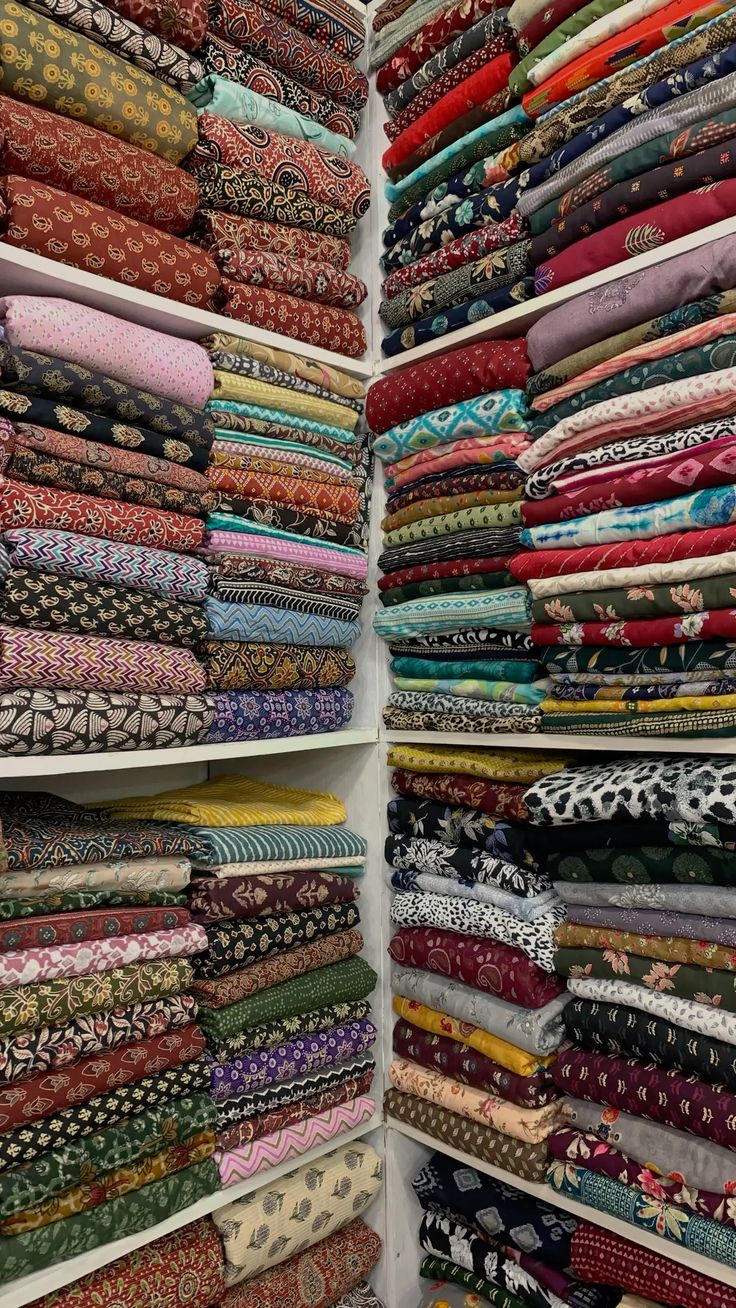
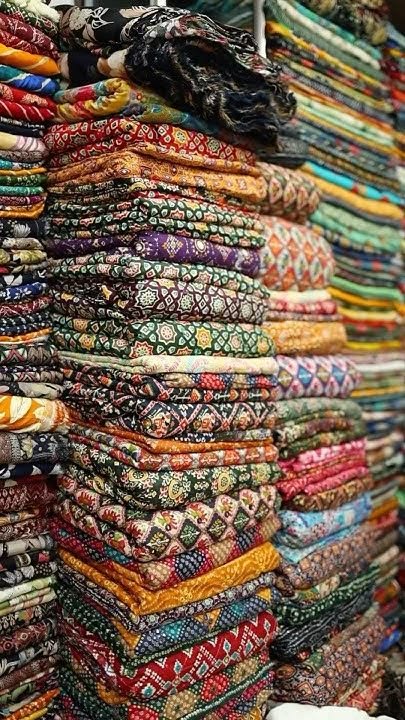
Let’s talk about the unique pain of fabric inventory. You have variants based on design, colorways, width (panna), and quality. A single design might come in ten different colors, and you need to know exactly how much stock is left in each specific shade.
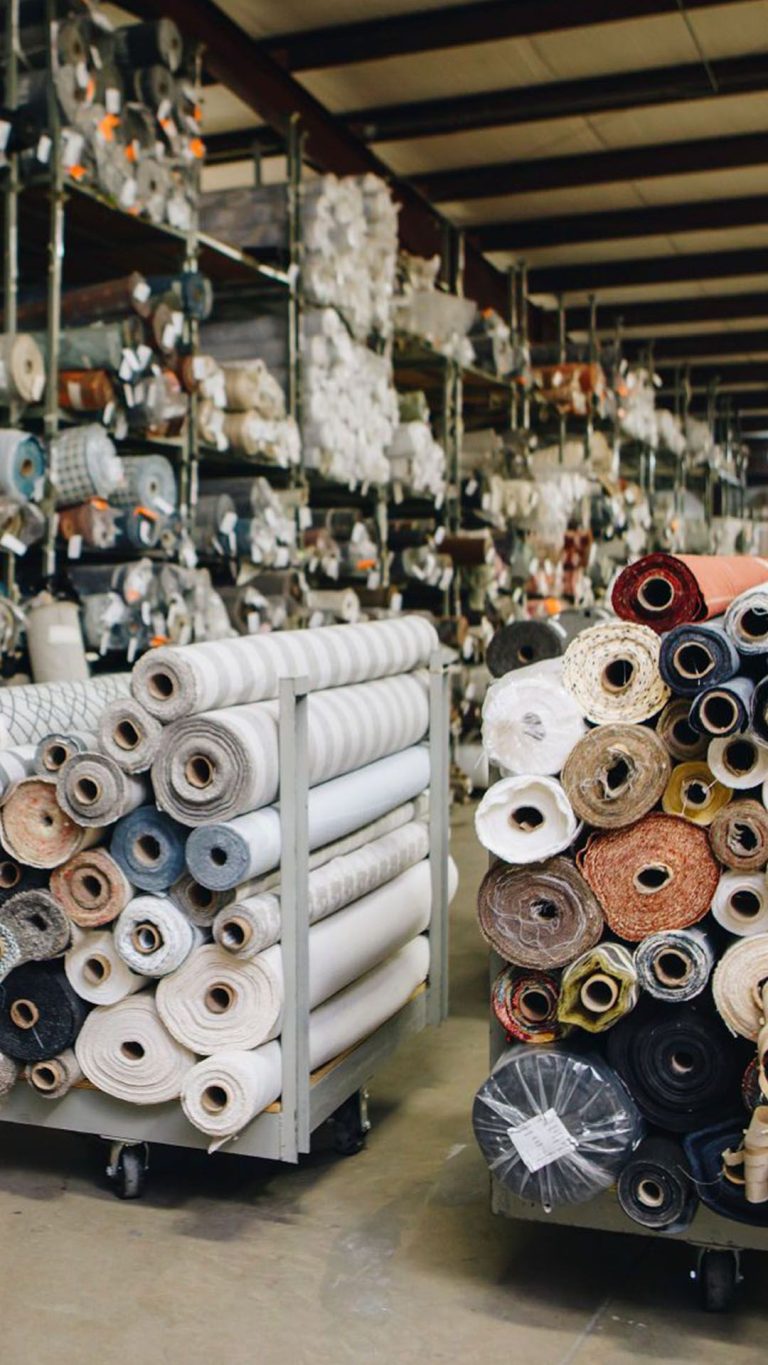
Using a generic spreadsheet for this means someone is constantly updating cells manually and that’s where things usually go wrong. A dedicated inventory management app for fabric wholesalers tracks fabric down to the piece level. You can see at a glance that Roll A has 42 meters left, while Roll B has 60 meters, even though they belong to the exact same catalog number.
3. Order Orchestration From Booking to Bales
An order isn’t just a piece of paper; it’s a lifecycle. It starts as a quotation, turns into a sales order, moves to packing (bale masking), goes through transport dispatch, and ends with invoicing.
If you are handling this via phone calls, details get lost. “Did the client want the water-resistant coating or the regular finish?” If your team guesses wrong, you end up with hundreds of meters of dead stock that you can’t sell. Centralizing this process means every requirement, specification, and delivery timeline is locked into the system from day one.
Why Generic Software Fails the Textile Test
Many traders try to save money upfront by installing generic retail or manufacturing ERP systems. Within six months, they realize they’ve made a costly mistake.
Textile trading requires a highly specific workflow that regular retail software simply cannot comprehend. This is why investing in a tailored textile ERP software for traders is a necessity rather than a luxury.
| Features Needed | Generic ERP Software | Fabric Trader Management App (Like Wortal) |
|---|---|---|
| Stock Tracking Units | Fixed pieces/items only | Meters, Yards, Rolls, and Bales simultaneously |
| Dye Lot/Batch Control | Often non-existent or complex | Native tracking to prevent mixing different color lots |
| Broker Commission | Requires manual calculations | Automated percentage tracking per agent/broker |
| Part-Delivery Handling | Clunky; forces order split | Natural tracking of partial shipments from a single order |
Real Life Case Study: How Om Textiles Tamed the Chaos
To understand how this looks on the ground, let’s look at a real business. Consider Om Textiles, a medium-sized wholesaling firm dealing in synthetic suiting and shirting fabrics. They operate out of a bustling textile market hub, supplying to garment manufacturers across the region.
The Old Way
Om Textiles managed their business using a mixture of physical diaries for order booking, WhatsApp for salesman coordination, and a basic offline accounting tool.
- Salesmen on the field would pitch designs to garment factories using physical swatch cards.
- They would call the warehouse to check if “Design 402, Navy Blue” was available.
- The warehouse manager would look at the racks and say, “Yeah, looks like we have two bales left.”
- The order would be booked. But when it came time to cut and pack, they’d discover one bale was already promised to another buyer, and the remaining bale belonged to a slightly lighter dye lot from a different mill run.
The client received a mixed shipment, complained about shading issues, delayed their payment, and threatened to take their business elsewhere.
The Transformation with Wortal
The owners decided to migrate their entire workflow to Wortal, our specialized all in one textile business management software. They equipped their sales team with the mobile application and integrated their warehouse stock live.
The next time a salesman visited a factory, he pulled up the fabric trader management app on his phone. He could instantly see that they had exactly 120 meters of Navy Blue in the current dye lot, and it was unreserved. He booked the order directly in the app.
Back at the warehouse, a packing slip generated automatically. The system reserved those exact rolls, meaning no other salesman could accidentally sell them. The invoice was raised, the broker’s commission was computed instantly, and the client received automated WhatsApp updates with the transport LR (Lorrie Receipt) number. Om Textiles reduced their order processing errors by 90% and shortened their payment collection cycles by eleven days simply because invoices were clear, accurate, and tied directly to the delivered dye lots.
Actionable Strategy: Transitioning Your Business in 4 Steps
If you want to move your trading business away from chaotic manual methods and into a streamlined digital workflow, you cannot do it overnight. Pushing too fast will cause your staff to rebel. Here’s what actually matters when making the switch.
Step 1: Clean Up Your Master Data
Do not import messy data into a clean system. Spend a week standardizing how you name your fabrics, qualities, and colorways. Decide whether you are measuring everything in meters or yards and stick to it across the board.
Step 2: Set Up Your Core Inventory First
Before training your sales team on a new inventory management app for fabric wholesalers, get your warehouse in order. Perform a physical stock count, categorize your fabric by rolls and lots, and enter it into the app. Your software is only as smart as the data inside it.
Step 3: Train the Staff on the Floor
The people who will make or break your software adoption aren’t the executives in the office; it’s the warehouse packers and the field salesmen. Choose an intuitive fabric trader management app like Wortal that features a clean, simple interface. Show them how scanning a barcode or updating a roll status saves them from writing tedious manual reports at the end of the day.
Step 4: Automate Buyer Credit Alerts
Once your stock and orders are running through the textile ERP software for traders, activate your credit control settings. Define payment terms for every buyer. Let the system do the heavy lifting of reminding clients about outstanding balances so your sales team can focus strictly on selling.
Key Takeaways for Savvy Traders
- Dye lots matter more than total meters: Never use an app that cannot track fabric batches or rolls individually. Mixing lots destroys buyer trust.
- Enforce credit control early: Let your software automatically block orders for chronic late-payers before the fabric leaves your warehouse.
- Choose vertical-specific tools: Avoid generic software. An all in one textile business management software tailored for fabrics understands concepts like panna, brokers, and thanis out of the box.
- Embrace mobility: Your business happens on the market floor and inside warehouses. Your management tool must work perfectly on smartphones, not just desktop computers.
A fabric trader management app is an all-in-one mobile and web software designed specifically for textile wholesalers and traders to handle buyer credit limits, dye-lot inventory, sales orders, broker commissions, and dispatch tracking in one unified system.
Generic software tracks stock as static, single-unit counts. It cannot handle fabric-specific nuances such as measuring simultaneously in meters, kilograms, and rolls (thanis), tracking subtle shade variations across dye lots, or calculating fabric shrinkage.
Piece-level tracking monitors every individual roll or bolt of cloth separately. Instead of showing just total meterage, it reveals the exact length remaining on each specific roll (e.g., Roll A: 42 meters, Roll B: 60 meters) under the same design code.
Fabrics of the same design woven or dyed in different production batches often exhibit subtle color variations. Tracking by dye lot ensures sales teams do not mix batches in a single shipment, preventing client rejections and payment deductions.
The app allows business owners to set hard credit ceilings and payment windows. If a buyer exceeds their limit or holds overdue invoices, the app automatically alerts or restricts sales representatives from booking new orders for that account.
When a field salesman books an order on his smartphone, the system instantly reserves those specific rolls and dye lots in the central database, preventing other salespeople or the warehouse from selling the same physical fabric.
Dedicated apps like Wortal automatically calculate broker commissions per meter, percentage, or flat rate across each transaction, eliminating manual commission ledgers and payment reconciliation disputes.
Yes. When a large fabric order is delivered in stages across multiple trucks or weeks, the app logs each partial shipment, generates corresponding delivery challans or invoices, and updates the remaining balance stock automatically.
- Standardize fabric naming and units of measurement.
- Conduct a physical warehouse audit and upload roll/lot-level stock.
- Train field salesmen and warehouse staff on mobile barcode/roll logging.
- Activate automated buyer credit controls and WhatsApp dispatch notifications.
Field agents can check live yardage and shade availability on their phones directly in front of buyers, booking verified stock without making repetitive phone calls to godown supervisors.