

What Is Cotton Fabric Sourcing in Surat?
Cotton fabric sourcing in Surat means finding, comparing, sampling, and purchasing cotton fabrics from manufacturers, wholesalers, processors, and textile markets operating in and around Surat, Gujarat.
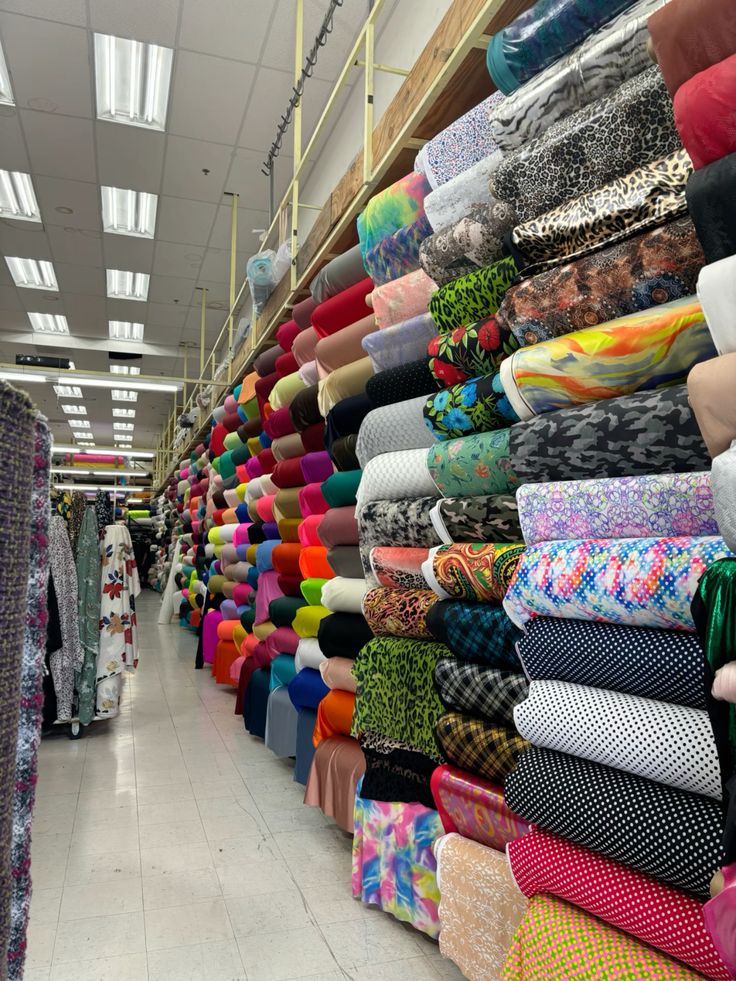
Surat is best known for its large man made fibre and synthetic textile ecosystem, but it also has a substantial network of businesses dealing in cotton, cotton blends, cambric, poplin, muslin, cotton shirting, cotton flex, kora cotton, cotton-linen and other cotton based fabrics.
For a retailer, garment manufacturer, boutique, wholesaler or exporter, cotton fabric sourcing in Surat can be useful because the city brings manufacturers, processors, traders, markets and logistics providers into one connected textile ecosystem.
The catch is simple: Surat has thousands of textile sellers, and not every seller is a manufacturer. Knowing where to look and what to check before placing a large order matters more than simply finding the lowest rate.
Book a Free Demo
See how Wortal can simplify your business and help you close more deals.


Quick Summary
This guide explains:
- Where to find cotton fabric in Surat
- The major textile markets worth visiting
- Cotton fabric manufacturers and suppliers to investigate
- Which areas suit retailers, wholesalers and manufacturers
- How to compare cotton fabric beyond price
- What GSM, width, shrinkage, shade and lot consistency mean
- Common sourcing mistakes
- How to build a reliable supplier base
- How software such as Wortal can help manage sourcing, stock and orders after you find the right suppliers
Who is this for? Retailers, garment manufacturers, boutique owners, textile wholesalers, distributors, exporters, online sellers and growing fashion businesses.
Why Surat Is Important for Fabric Buyers
Surat’s textile ecosystem is unusually concentrated. Major trading areas are spread around Ring Road, Sahara Darwaja, Saroli and nearby industrial zones. A 2024 report by The Indian Express described 221 textile markets in Surat, with more than 80,000 shops across the city’s textile trading ecosystem.
That scale gives buyers a major advantage.
You can compare several suppliers for the same fabric specification without travelling to different cities.
But there is another side.
A buyer may see ten fabrics that look almost identical on a shop counter. Their prices may be different because of differences in:
- Yarn quality
- Cotton composition
- GSM
- Weave
- Width
- Finishing
- Dyeing quality
- Shrinkage
- Colour fastness
- Order quantity
- Processing
- Lot consistency
This is why experienced buyers don’t ask only, “What is the price per metre?”
They ask, “What exactly am I getting for that price?”
Understanding the Cotton Fabric Market in Surat
One point deserves clarification.
Surat should not be treated as a pure cotton textile centre in the same way as some cotton focused textile clusters. The city is particularly strong in man made fabrics, synthetic textiles, processing and textile trading. At the same time, many Surat based businesses manufacture or trade cotton and cotton blend fabrics.
That distinction is useful when planning cotton fabric sourcing in Surat.
If your requirement is a highly specialised natural fibre fabric, you may need to compare Surat suppliers with suppliers from other textile clusters as well.
If your requirement is cotton fabric combined with strong design, processing, printing, garment fashion applications or a broad wholesale network, Surat can be a practical sourcing destination.
Cotton fabrics commonly found through Surat suppliers
Depending on the supplier, buyers may find:
- Cotton shirting
- Cotton cambric
- Kora cotton
- Cotton flex
- Cotton satin
- Cotton poplin
- Muslin
- Cotton-linen blends
- Cotton-polyester blends
- Printed cotton
- Dyed cotton
- Embroidered cotton
- Cotton fabric for kurtas
- Cotton dress-material fabric
- Cotton fabric for summer garments
Don’t assume that “cotton fabric” means 100% cotton.
Always ask for the exact fibre composition.
Best Markets for Cotton Fabric Sourcing in Surat
The Ring Road textile belt is the first place many wholesale buyers explore. It has a dense concentration of textile markets and is close to Surat Railway Station.
Here are some useful areas and markets to consider.
1. New Textile Market
New Textile Market is one of the major wholesale textile markets in the Ring Road cluster.
It is useful when you want variety and want to compare multiple sellers during the same visit. The market carries fabrics alongside sarees, dress materials and other textile products.
Best for:
Wholesale buyers, retailers, resellers and buyers who want to compare multiple fabric categories.
Buyer tip: Don’t judge a supplier only from the display collection. Ask to see actual stock rolls and specification details for the fabric you intend to reorder.
2. Surat Textile Market
Surat Textile Market is another established textile trading centre in the Ring Road area.
It caters to wholesale textile buyers looking for fabrics, sarees, dress materials and related products.
Best for:
Retailers, wholesalers and buyers who want to compare several trading houses.
3. Annapurna Textile Market
Annapurna Textile Market is particularly relevant when the requirement is fabric rather than only finished garments.
It is located near the New Textile Market cluster and serves fabric traders, exporters and bulk buyers.
Best for:
Bulk fabric buyers, exporters and businesses looking for multiple fabric options.
4. Millennium Textile Market
Millennium Textile Market is another major Ring Road textile destination.
The market is known for a broad textile assortment, including cotton and silk fabrics alongside designer and fashion oriented products.
Best for:
Fashion businesses, boutiques and buyers who need fabric alongside other textile collections.
5. Pashupati Textile Market
Pashupati Textile Market offers both fabrics and finished textile products.
Its listed fabric categories include cotton, rayon, crepe, georgette, net and silk, with fabric available in different buying formats depending on the seller.
Best for:
Retailers, boutiques and semi-wholesale buyers who need fabric and finished products together.
Market Comparison
| Market / Area | Best Suited For | Cotton Relevance | Main Advantage |
|---|---|---|---|
| New Textile Market | Wholesalers & retailers | Good | Huge variety |
| Surat Textile Market | Traders & retailers | Good | Established textile trading zone |
| Annapurna Textile Market | Bulk fabric buyers | High | Fabric focused sourcing |
| Millennium Textile Market | Fashion & boutique buyers | Moderate-Good | Broad fashion assortment |
| Pashupati Textile Market | Semi-wholesale buyers | Good | Fabric + finished products |
| Saroli | Bulk buyers & manufacturers | High | Growing industrial/textile cluster |
Business Tip: If you are visiting Surat for the first time, don’t try to cover every market. Shortlist suppliers first, then use the markets for comparison.
Cotton Fabric Manufacturers & Suppliers to Explore
Calling a list of companies “the top manufacturers” can be misleading because supplier rankings change, and many businesses specialise in different fabrics.
A better approach is to treat the following as manufacturers or suppliers worth investigating, based on their publicly listed cotton-fabric offerings.
Omkar Trendz
Omkar Trendz lists 100% cotton and cotton grey fabrics, including Bedford, cotton-linen, cambric, drill, Oxford, cotton Lycra and cotton satin. Its website also describes weaving capabilities using rapier, water-jet and air-jet machines.
Potential fit: Buyers looking for woven cotton fabric across several constructions.
Shri Ram Textile
Shri Ram Textile manufactures and sells cotton shirting and cotton kurta fabrics, with listed products including Giza cotton satin, cotton pyjama fabric and multiple GSM options.
Potential fit: Shirting, kurta and apparel manufacturers.
Tizara Group
Tizara Group lists cotton fabrics across plain, satin, twill, dobby and jacquard constructions, along with blended materials. Its published information also mentions control over sourcing, weaving, dyeing, finishing and quality checks.
Potential fit: Businesses looking for customised specifications and regular bulk supply.
Narmada Textiles
Narmada Textiles lists cotton fabric along with muslin, linen, dobby and other textile products. Its manufacturing location is in the Palsana area of Surat district.
Potential fit: Buyers comparing cotton with other lightweight and blended fabric options.
Shree Nakoda Tex Fab
Shree Nakoda Tex Fab lists cotton fabric along with printed, fancy, suiting and digital-printed fabrics.
Potential fit: Fashion and apparel businesses looking for cotton alongside value-added fabrics.
Other suppliers worth screening
Other publicly listed Surat suppliers include Kothari Fab, Vardhman Textiles, G.S. Pagaria Tex and Shivam Textiles. Their published product information includes cotton or cotton-related fabrics.
Important: Treat online listings as a starting point, not proof of current quality or capacity. Before a commercial order, verify the sample, GST details, specifications, production capacity, delivery commitment and current business status directly with the supplier.
What to Check Before Buying Cotton Fabric
This is where many first time buyers make an expensive mistake.
Two rolls can look almost identical but behave very differently after cutting, stitching and washing.
Check these 10 points
| Check | Why it matters |
|---|---|
| Fibre composition | Confirms whether it is 100% cotton or a blend |
| GSM | Helps compare fabric weight |
| Width | Directly affects usable fabric and garment costing |
| Weave | Changes appearance, strength and handling |
| Shrinkage | Important after washing and processing |
| Shade | Prevents mismatch between lots |
| Colour fastness | Reduces customer complaints |
| Finish | Affects softness, appearance and hand feel |
| Lot consistency | Critical for repeat orders |
| MOQ | Affects cash flow and inventory risk |
Expert Insight
Never approve a fabric based only on a WhatsApp photograph.
Ask for a physical sample.
If the order is large, test the sample for washing, shrinkage, colour bleeding and stitching behaviour before confirming the full quantity.
How to Choose the Right Cotton Fabric Supplier
A good supplier is not necessarily the cheapest supplier.
For repeat business, use this simple framework.
Supplier Scorecard
| Factor | Suggested Weight |
|---|---|
| Fabric quality | 25% |
| Consistency between lots | 20% |
| Price | 15% |
| Delivery reliability | 15% |
| MOQ flexibility | 10% |
| Communication | 5% |
| Documentation | 5% |
| Replacement/complaint handling | 5% |
This prevents one common mistake: choosing a supplier because they quoted Rs.5 less per metre.
A Rs.5 saving means very little if 10% of the fabric becomes unusable.
Manufacturer vs Wholesale Market: Which Is Better?
There is no single answer.
It depends on your order size and business model.
| Requirement | Manufacturer | Wholesale Market |
|---|---|---|
| Large recurring orders | Excellent | Good |
| Small quantities | Sometimes difficult | Better |
| Custom colour | Better | Limited |
| Custom GSM/specification | Better | Limited |
| Immediate variety | Moderate | Excellent |
| Price comparison | Takes more effort | Easy |
| Repeat consistency | Usually easier to establish | Depends on trader |
| New buyer testing | Can be difficult | Easier |
| Factory relationship | Direct | Sometimes indirect |
For a small retailer
Start with market suppliers and smaller quantities.
For a garment manufacturer
Move toward direct manufacturers once the specification becomes stable.
For a wholesaler
Use both. Keep a few market suppliers for flexibility and direct manufacturers for your high volume regular items.
A Practical Cotton Fabric Sourcing Process
A disciplined sourcing process looks like this:
Don’t skip the trial-order stage.
A supplier who performs well on a 20-metre sample may behave differently when you place a 5,000 metre order.
How to Calculate the Real Cost
Suppose Supplier A offers cotton fabric at Rs.92 per metre.
Supplier B offers Rs.96.
At first glance, A looks better.
But imagine:
- A has higher transport cost
- A has more shrinkage
- A supplies slightly narrower fabric
- B has better consistency
- B delivers closer to your production schedule
The Rs.4 difference may disappear quickly.
For serious cotton fabric sourcing in Surat, calculate:
Purchase price + transport + loading/unloading + processing + wastage + expected rejection + financing cost = effective fabric cost
That’s the number your purchasing team should compare.
Real-Life Style Case Study: A Growing Kurta Manufacturer
Consider a small garment manufacturer supplying cotton kurtas to retailers in Gujarat and Rajasthan.
The company was buying fabric from four different Surat traders. The owner liked having multiple suppliers because it seemed to reduce dependency on one vendor.
But there was a problem.
The same “blue cotton” purchased three months apart did not always behave the same way. One lot shrank more after washing. Another had a slightly different shade. Production staff also had difficulty knowing which roll belonged to which purchase.
Problem
The company had:
- Four suppliers
- Multiple fabric lots
- No central purchase history
- Stock recorded manually
- Quality information stored in WhatsApp messages
- Frequent rechecking before production
Solution
The owner changed the buying process.
First, the team created fixed specifications for its key fabrics:
- Fibre composition
- GSM
- Width
- Approved shade
- Supplier
- Expected shrinkage
- Standard purchase rate
They then placed trial orders before committing to larger quantities.
Every accepted lot was recorded separately.
Result
The biggest improvement wasn’t simply a lower purchase price.
The team could finally answer:
“Which supplier gave us this fabric, which lot is it, how much is left, and which customers received it?”
That made repeat purchasing much easier.
Lesson
Supplier management is part of inventory management.
Finding a supplier is only step one. Remembering exactly what you bought from that supplier is what makes the relationship useful.
Common Mistakes in Cotton Fabric Sourcing
1. Buying only on price
Low price can hide differences in GSM, width, finish or shrinkage.
2. Assuming every “cotton” fabric is pure cotton
Ask for composition and verify it where the application demands certainty.
3. Ignoring width
Rs.100 per metre at 44 inches and Rs.100 per metre at 58 inches are not equivalent purchases.
4. Skipping the wash test
This can create problems after garments reach customers.
5. Mixing lots without records
Shade and finish can vary between lots.
6. Depending on one supplier
Even a good supplier can face production delays or raw-material constraints.
7. Not recording supplier specifications
Six months later, nobody remembers whether the approved fabric was 120 GSM or 130 GSM.
Pro Tip: Maintain an Approved Fabric Master
For every regular fabric, keep a simple record:
Fabric Code → Composition → GSM → Width → Supplier → Approved Sample → Purchase Rate → Last Purchase → Current Stock → Lot
This small discipline becomes extremely valuable when your business starts carrying hundreds of fabric variants.
How Wortal Helps After You Source the Fabric
Finding the right supplier is only half the job.
The next problem is managing what you bought.
A textile business may have the same fabric in different shades, lots, qualities, widths and godowns. A basic stock sheet can become difficult to maintain as the business grows.
Wortal’s textile ERP is designed around this type of workflow. It supports inventory tracking by shade, lot, quality and godown, along with purchase, order, billing and dispatch workflows.
For example:
Cotton Poplin
│
├── White / Lot 102 → Godown A → 2,400 m
├── White / Lot 108 → Godown B → 1,800 m
├── Navy / Lot 104 → Godown A → 1,200 m
└── Black / Lot 109 → Godown C → 950 m
Instead of seeing only “Cotton Poplin: 6,350 metres”, your team can work with the information that actually matters.
Wortal also connects buyer inquiries, quotations, orders, inventory and dispatch so that the sourcing decision doesn’t remain isolated from the rest of the business.
When does this become useful?
Usually when:
- You have multiple godowns
- Several salespeople sell the same fabric
- Stock is moving quickly
- Buyers ask for specific shades or lots
- Orders are coming through WhatsApp and calls
- Excel files are becoming difficult to maintain
- Purchase, sales and stock teams don’t have the same numbers
The software doesn’t replace good sourcing.
It helps you keep control after the sourcing decision has been made.
Cotton Fabric Sourcing Checklist
Before placing a large order, ask:
- Is the fibre composition clearly confirmed?
- Have I received a physical sample?
- Did I check GSM?
- Did I check the usable width?
- Was shrinkage tested?
- Was colour fastness checked where necessary?
- Is the shade approved?
- Is the lot number recorded?
- Is the MOQ suitable?
- Is the delivery timeline realistic?
- Is the GST invoice available?
- Are replacement terms clear?
- Have I placed a trial order?
- Can the supplier repeat the same specification?
- Is the effective landed cost competitive?
Key Takeaways
- Cotton fabric sourcing in Surat is supported by a large network of manufacturers, traders and textile markets.
- Surat is especially strong in man-made textiles, so cotton buyers should choose suppliers carefully rather than assuming every textile seller is cotton-focused.
- Ring Road is one of the most useful starting points for textile market sourcing.
- New Textile Market, Surat Textile Market, Annapurna, Millennium and Pashupati are useful places to compare suppliers and products.
- Don’t assume a market trader is the actual manufacturer.
- Always check composition, GSM, width, shrinkage, shade and lot consistency.
- A lower metre price does not automatically mean a lower fabric cost.
- Trial orders are safer than immediately committing to large quantities.
- Keep an approved fabric specification for every repeat item.
- Supplier consistency matters as much as supplier price.
- Record every purchase by supplier, lot and fabric specification.
- Once your sourcing volume grows, inventory visibility becomes as important as supplier selection.
- A textile ERP such as Wortal can connect sourcing related stock information with orders, godowns, billing and dispatch.
Conclusion
Good cotton fabric sourcing in Surat is not about walking into the biggest market and asking for the cheapest cotton fabric.
It is about knowing exactly what you need, finding suppliers who can meet that specification, testing the material, comparing the real cost and building a repeatable supplier relationship.
For a small retailer, that may mean finding two dependable market suppliers.
For a garment manufacturer, it may mean developing a direct relationship with a fabric manufacturer.
For a growing wholesaler, it may mean maintaining multiple approved suppliers while keeping proper lot and stock records.
The businesses that source well usually don’t have a secret supplier nobody else knows about. They have a better process for evaluating suppliers, controlling quality and remembering what worked.
That’s what turns a one time purchase in Surat into a reliable textile supply chain.