

For home textile manufacturers and exporters, finding the right buyers is an important part of growing a business. Trade exhibitions offer a good opportunity to meet potential customers, understand what buyers are looking for and build new business connections.
INDEXPLUS 2027 is one event that businesses in the home furnishing and interior products industry can explore. It brings together furniture, interiors and design professionals, making it a useful platform for businesses working in related product categories.
Whether you are a manufacturer, supplier or exporter, understanding the event and preparing in advance can help you make better use of the opportunity.
1. What Is INDEXPLUS 2027?
INDEXPLUS is a B2B trade exhibition that focuses on furniture, interiors and design. It brings together manufacturers, suppliers, retailers, architects, interior designers and other industry professionals.
The exhibition covers several product categories, including residential and commercial furniture, institutional furniture, home décor, kitchens, wardrobes, bedding and other interior-related products.
INDEXPLUS 2027 will have two editions in India:
- Bengaluru: 5-7 February 2027 at Bangalore International Exhibition Centre (BIEC).
- Delhi: 6-8 August 2027 at Yashobhoomi (IICC), Dwarka, New Delhi.
The event is organised by NurnbergMesse India. It gives businesses a place to display their products, meet industry professionals and explore new business opportunities.
2. Why Should Home Textile Exporters Consider INDEXPLUS 2027?
Home textiles are an important part of the furniture and interior industry. Bedsheets, cushion covers, furnishing fabrics and other decorative products help complete the look of homes, hotels and commercial spaces.
For businesses dealing in these products, INDEXPLUS can be an opportunity to connect with professionals from the wider home furnishing market.
Here are a few reasons why exporters may find the exhibition useful:
Meet potential buyers: Connect with retailers, furniture manufacturers, interior designers, distributors and sourcing professionals.
Understand market preferences: Get a better idea of the designs, colours, materials and styles that are gaining attention in the home furnishing market.
Explore business partnerships: Meet businesses that may be interested in sourcing home textile products for their stores, projects or customers.
Present your brand: Give potential buyers an opportunity to see your products, understand their quality and learn more about your business.
Before planning your participation, check the event’s exhibitor categories and confirm whether your products are eligible.
3. What Products Can Home Textile Businesses Showcase?
The official INDEXPLUS product information includes categories such as mattresses, dining and bedding, home decor and floor coverings.
Depending on the approved exhibitor categories, home textile businesses may explore showcasing products such as:
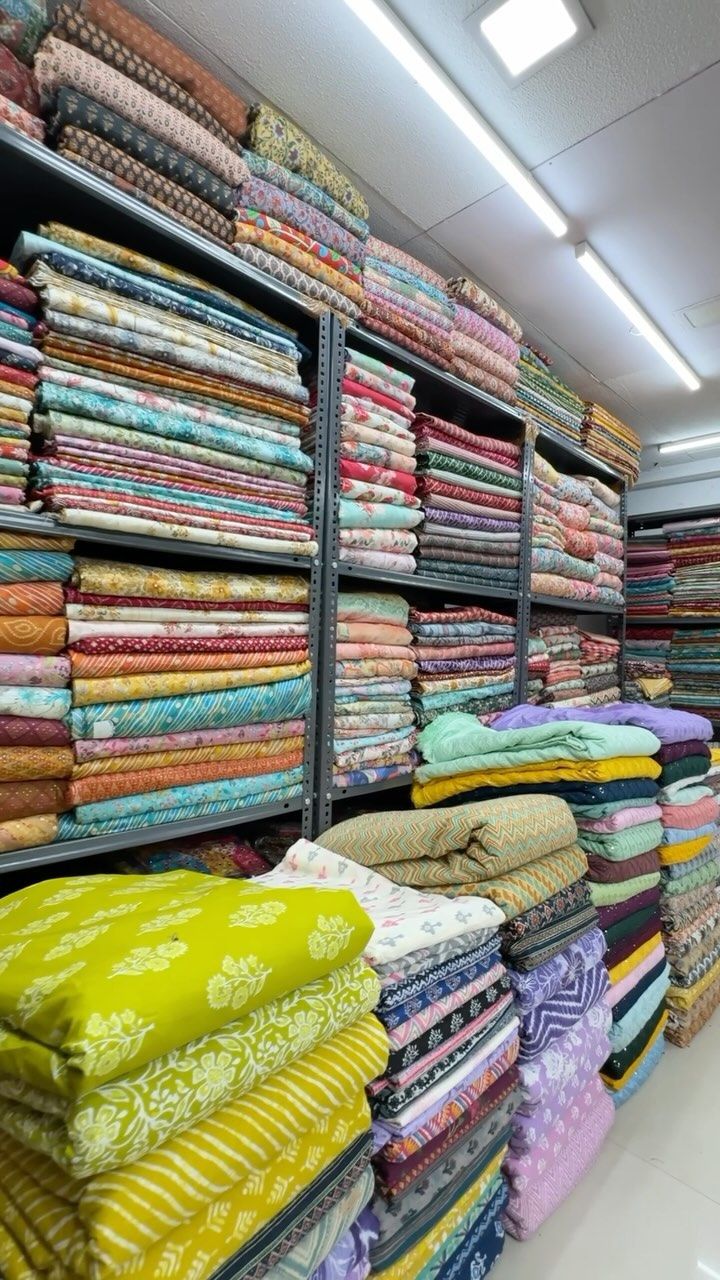
- Bedsheets and bed linen.
- Cushion covers and decorative textiles.
- Quilts and bedding accessories.
- Carpets and floor coverings.
- Upholstery and furnishing fabrics.
- Other home furnishing products.
If your business mainly deals in fabrics or textile manufacturing, it is better to speak with the event organiser before booking a stall. This will help you understand whether your products fit the exhibition.
4. How Can Indian Home Textile Exporters Prepare for INDEXPLUS 2027?
Taking part in an exhibition requires proper planning. Simply displaying your products is not enough. You also need to be ready to answer buyer questions and discuss business requirements.
Here are a few things to prepare before the event.
Select the right products: Choose products that match the buyers you want to reach. Keep your latest designs, popular collections and customisation options ready.
Prepare your catalogue: Create a catalogue with clear product photographs, sizes, materials, colours and specifications. Keep both printed and digital copies available.
Research potential buyers: Find out which types of businesses are likely to attend. This will help you identify the right people to connect with.
Keep pricing details ready: Be prepared to discuss product prices, minimum order quantities, sample costs and delivery timelines.
Set clear business goals: Decide what you want to achieve from the exhibition. You may want to find distributors, connect with retailers or introduce your products to new markets.
Organise business information: Keep your company profile, contact details, product information and quotation formats ready.
5. How Can Exporters Attract More Buyers at an Exhibition?
When buyers visit an exhibition, they usually meet several businesses in a short time. Your product display and the way you communicate can influence whether they remember your brand.
A few simple steps can help you make a better impression:
- Display your best-selling products and latest collections.
- Keep product specifications and descriptions easy to understand.
- Allow buyers to check the quality of your samples.
- Explain your customisation and bulk order options.
- Share your digital catalogue using QR codes.
- Collect contact details and understand each buyer’s requirements.
It is also important to ask the right questions. Find out what products the buyer needs, what quantities they are looking for and whether they have any specific requirements.
This makes it easier to identify serious business enquiries and follow up with the right information.
6. Common Challenges Home Textile Exporters Should Prepare For
An exhibition may bring several new enquiries, but managing them after the event can be difficult.
For example, a business may receive enquiries through phone calls, WhatsApp messages, emails and visiting cards. If these details are not recorded properly, some potential buyers may be missed.
Other common challenges include:
Pricing confusion: Different buyers may ask for different quantities, product specifications and customisation options.
Inventory issues: Sales teams may find it difficult to confirm stock availability when inventory details are not updated regularly.
Missed follow-ups: Without proper reminders, businesses may forget to contact buyers who showed interest during the exhibition.
Order coordination: Managing production, stock, billing and dispatch becomes harder when different teams work with separate records.
These problems can slow down the sales process, especially when a business is handling enquiries from multiple buyers.
7. How Can Technology Help Textile Exporters Manage Exhibition Enquiries?
Getting buyer enquiries is only the first step. The real work begins when you have to respond to those enquiries, prepare quotations and convert them into orders.
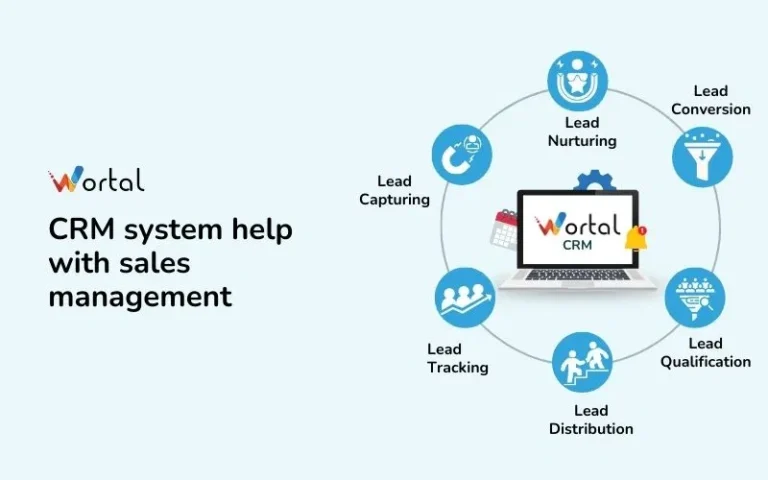
A textile ERP or CRM system can help businesses manage these activities in a more organised way.
With the right system, textile businesses can:
- Record and manage buyer enquiries.
- Maintain customer details and communication history.
- Prepare and share quotations.
- Track orders and their progress.
- Check stock availability across warehouses.
- Set reminders for customer follow-ups.
- Manage billing and dispatch activities.
For manufacturers, wholesalers and exporters, having these details in one place makes it easier to keep track of daily business activities.
Wortal Textile ERP helps textile businesses manage buyer enquiries, quotations, orders, inventory and team activities through one platform. This helps businesses keep their operations organised, from the first customer enquiry to order dispatch.
8. Final Thoughts
INDEXPLUS 2027 is an exhibition worth exploring for businesses connected to furniture, bedding, home décor and interior products.
For home textile exporters, the first step is to understand the event’s product categories and check whether their products are suitable for participation.
Once that is clear, proper preparation can help businesses make better use of the exhibition. Having the right samples, catalogues, pricing details and business information ready can make conversations with potential buyers more useful.
It is equally important to manage enquiries after the event. Timely follow-ups, clear quotations and organised order management can help turn exhibition conversations into business opportunities.
Frequently Asked Questions (FAQs)
INDEXPLUS 2027 is a B2B trade exhibition focused on furniture, interiors and design. It brings together manufacturers, suppliers, retailers, architects and other industry professionals to explore products, understand market trends and build business connections.
INDEXPLUS 2027 will have two editions. The Bengaluru edition is scheduled for 5-7 February 2027, while the Delhi edition will take place from 6-8 August 2027.
The Bengaluru edition will be held at Bangalore International Exhibition Centre (BIEC). The Delhi edition will take place at Yashobhoomi (IICC), Dwarka, New Delhi.
The exhibition is suitable for furniture manufacturers, interior designers, architects, retailers, distributors, wholesalers, sourcing professionals and businesses working in home décor and interior products.
Home textile exporters dealing in products such as bedding, home décor and floor coverings can explore participation. However, they should confirm their product eligibility and available exhibitor categories with the event organiser.
INDEXPLUS covers several categories, including residential and commercial furniture, mattresses, dining and bedding, home décor, art and artefacts, floor coverings, kitchens and wardrobes.
Exporters can connect with potential buyers by displaying their products, sharing catalogues, understanding buyer requirements and collecting contact details. Following up with interested buyers after the exhibition is also important.
Businesses should keep product samples, catalogues, company profiles, pricing details and contact information ready. It is also helpful to research potential buyers and decide what they want to achieve from the exhibition.
Trade exhibitions give small manufacturers a chance to present their products, meet potential buyers and understand market preferences. They can also explore partnerships with retailers, distributors and other businesses.
Textile businesses can use a CRM or ERP system to record buyer details, prepare quotations, schedule follow-ups and track orders. This helps sales teams manage enquiries in one place instead of depending on scattered messages and spreadsheets.