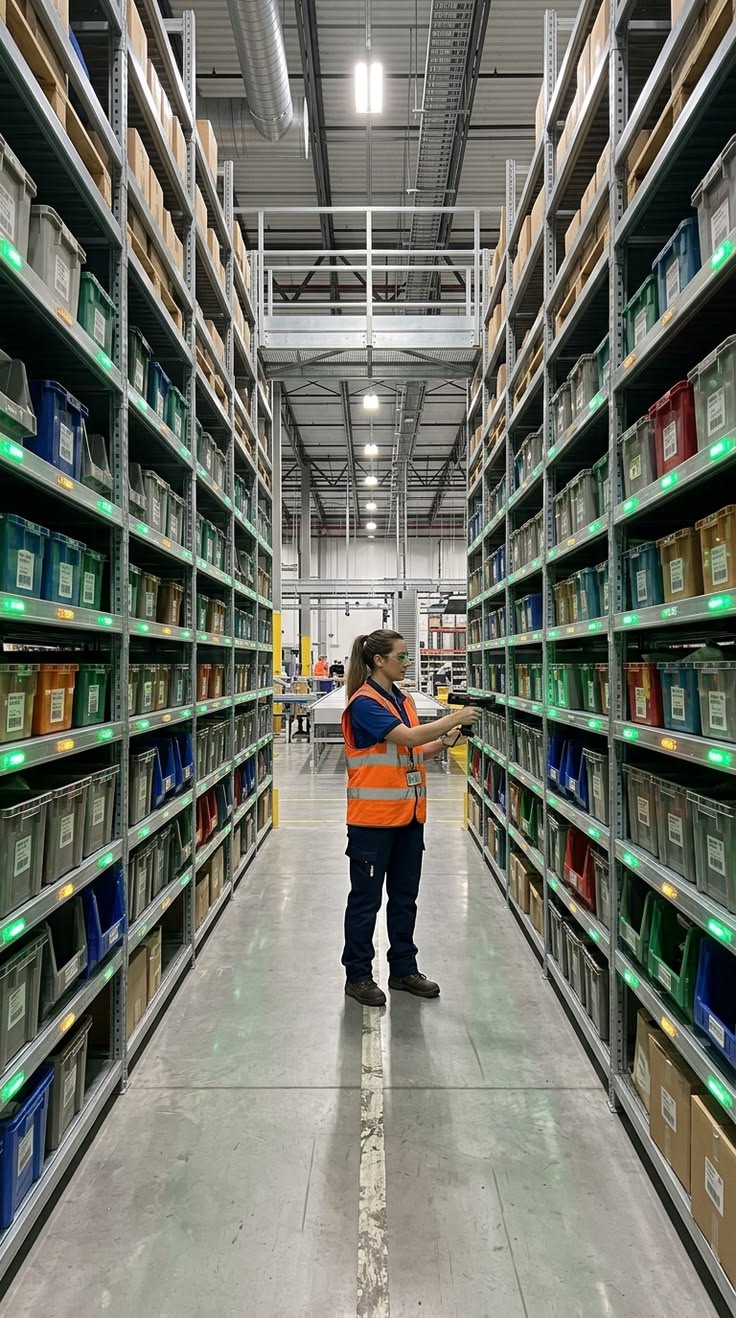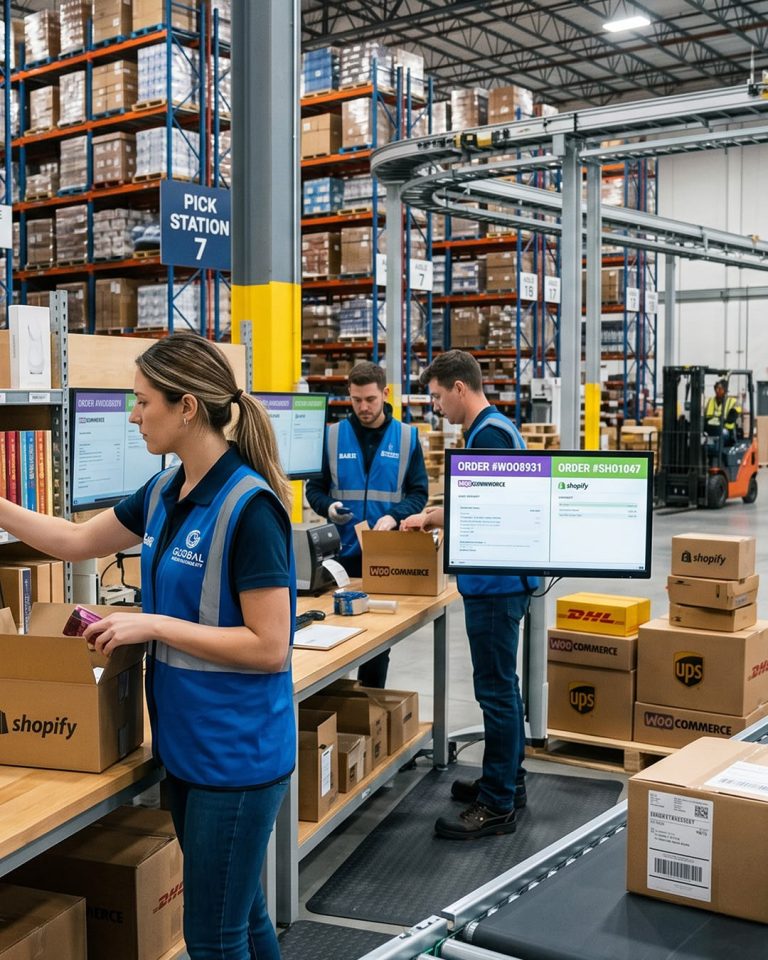

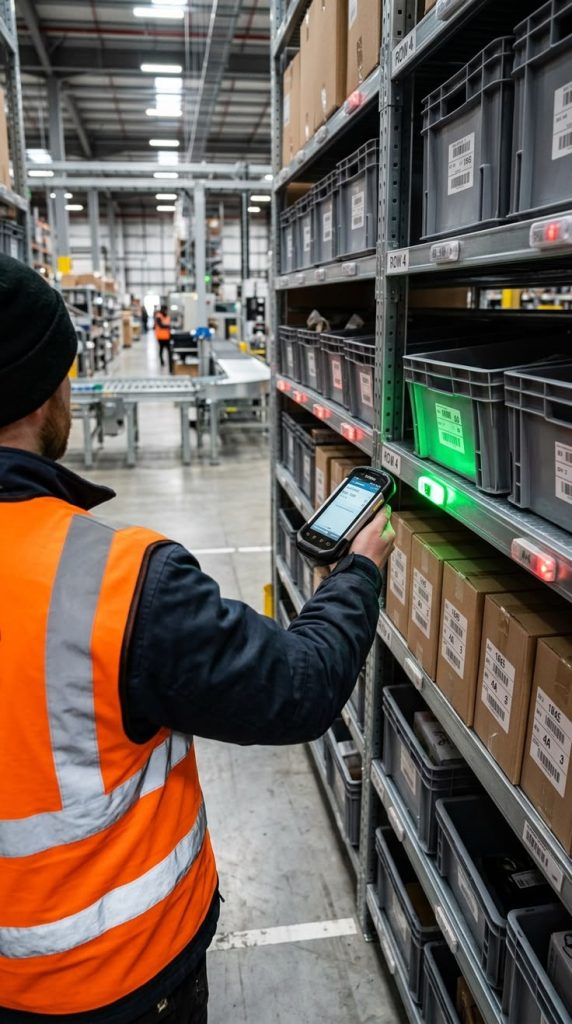

Inventory management software is a system that tracks what stock you have, where it’s sitting, and what’s moving in and out so you’re not relying on a ledger book or a WhatsApp message to know if you have 200 metres of cotton print left in the godown. For a textile or fabric wholesaler, that “what’s left” question isn’t academic. It’s the difference between confirming an order in five minutes and calling three godowns to check.
Most wholesalers in Surat, Bhilwara, Erode, or Ludhiana still run this manually. A bahi khata for stock, a separate register for orders, and someone’s memory filling the gaps. It works until the business crosses a certain size, and then it stops working overnight. That’s usually when people start searching for inventory software India has to offer, and get overwhelmed by the number of options.
This guide cuts through that. We’re looking at 10 systems that actually fit how textile trade works: piece goods, running metres, lot numbers, agent-based selling, GST billing, not generic retail tools built for shoe shops.
Quick Sumṁary
- What you’ll learn: A detailed, honest breakdown of 10 inventory and order management software options relevant to textile and fabric wholesalers, with features, pros, cons, and pricing.
- Who this is for: Fabric wholesalers, textile traders, manufacturers, and distributors evaluating a move away from manual stock registers or an outdated desktop system.
- Why it matters: Picking the wrong system costs more than the subscription fee; it costs re-implementation time, staff resistance, and lost orders during the switch.
Book a Free Demo
See how Wortal can simplify your business and help you close more deals.


What Textile Wholesalers Actually Need From Inventory Software
Before comparing tools, it helps to know what “good” looks like for this trade specifically. Inventory management software built for general retail often breaks down here because textile stock doesn’t behave like packaged goods.
Here’s what actually matters for a fabric business:
- Stock by piece, metre, and lot not just by SKU count
- Design and colour-wise variants under one fabric code
- Agent or broker-based order booking, common in wholesale textile selling
- GST-compliant billing with HSN codes specific to textiles
- Godown-wise stock visibility, since most wholesalers run more than one storage point
- Order management software features that handle partial dispatches textile orders are rarely shipped in one go
If a system can’t handle lot-wise stock or design variants cleanly, it’ll frustrate your billing staff within the first month. Keep that in mind as we go through the list.
The Top 10 Software Compared
| Software | Best For | Textile-Specific Fit | Starting Price (approx.) |
|---|---|---|---|
| Wortal | Growing textile wholesalers wanting CRM + inventory together | High | Free trial, paid plans from ~ Rs.200/user/month |
| TallyPrime | GST billing + inventory in one, widely used by CAs | Medium-High | One-time licence, roughly Rs.18,000-Rs.25,000 |
| Marg ERP | Textile & garment-specific trade software | High | Custom, typically Rs. 15,000+ one-time |
| Zoho Inventory | Multi-channel sellers (online + offline) | Medium | Free tier, paid plans scale up from there |
| Vyapar | Small traders wanting a simple mobile-first app | Medium | Affordable annual plans, budget-friendly |
| Busy Accounting Software | Traditional traders needing accounting + stock | Medium | Comparable to TallyPrime, one-time or annual |
| Odoo Inventory | Businesses wanting full ERP eventually | Medium | Free community edition; paid apps scale up |
| Cin7 Core | Wholesalers with export/B2B order complexity | Medium | Higher-tier, positioned for larger operations |
| Katana MRP | Manufacturers who also convert raw fabric | Low-Medium | Mid-range subscription, manufacturing-focused |
| RetailGraph / RetailCore | Textile retail-cum-wholesale combo stores | Medium | Custom quote based on modules |
Note: pricing changes often always confirm current numbers directly on the vendor’s site before budgeting.
Detailed Breakdown of Each Software
1. Wortal
Wortal is built specifically with Indian SMBs in mind, and its textile-sector presence in Surat means the inventory module isn’t an afterthought bolted onto a generic CRM. It combines order management software capability with lead tracking, so a wholesaler isn’t running one tool for sales conversations and a separate one for stock.
- Features: Lead and deal pipeline, inventory tracking, WhatsApp and email automation, employee task management, WCaller for call logging.
- Pros: Built with Indian trade workflows in mind, affordable per-user pricing, useful for wholesalers who need both a sales pipeline and stock visibility without stitching two tools together.
- Cons: Not a full manufacturing ERP if you need detailed production costing on the manufacturing side, you’ll likely pair it with an accounting tool.
- Pricing: Free trial available, with Standard and Premium tiers priced per user per month, one of the more accessible options on this list for small and mid-size trading firms.
2. TallyPrime
Tally is what most Indian accountants already know, which matters more than people admit. If your CA already works in Tally, keeping your inventory software in the same ecosystem avoids duplicate data entry.
- Features: GST billing, stock ageing reports, godown-wise stock, batch and lot tracking, e-way bill generation.
- Pros: Deep accounting integration, familiar to most Indian bookkeepers, strong reporting for statutory compliance.
- Cons: The interface feels dated next to newer cloud tools, and multi-user cloud access needs an add-on.
- Pricing: One-time licence purchase, typically in the Rs.18,000 – Rs. 25,000 range depending on edition, plus optional cloud/renewal costs.
3. Marg ERP
Marg built a genuine reputation in the textile and garment trade, specifically it’s not a generalist tool wearing a textile badge.
- Features: Design-wise and colour-wise stock, barcode support, GST billing, order booking for field agents.
- Pros: Handles the design-variant problem better than most competitors, strong in Surat and Bhilwara textile circles.
- Cons: The UI can feel cluttered for new users, and support quality varies by reseller.
- Pricing: Custom quotes, generally starting upward of Rs.15,000 as a one-time cost depending on modules chosen.
4. Zoho Inventory
If a wholesaler also sells on Amazon, Flipkart, or their own website alongside offline trade, Zoho Inventory earns its place on this list. It’s one of the more capable inventory management software options for anyone selling across channels.
- Features: Multi-channel order sync, warehouse management, shipping integrations, purchase order automation.
- Pros: Clean interface, genuinely useful for e-commerce-plus-wholesale hybrid businesses, decent free tier to start.
- Cons: Not built with Indian textile-specific fields like lot number or design code out of the box needs customisation.
- Pricing: Free plan for very low order volumes, paid plans scaling up as order and warehouse count increases.
5. Vyapar
Vyapar is aimed at small traders who want something simple on their phone, not a full desktop system.
- Features: GST billing, basic stock tracking, mobile-first design, low-stock alerts.
- Pros: Very easy to pick up, budget-friendly, works well for a small trader with one or two godowns.
- Cons: Not built for complex multi-warehouse or agent-based order flows a growing wholesaler will outgrow it fast.
- Pricing: Affordable annual subscription, among the cheapest on this list.
6. Busy Accounting Software
Busy sits in a similar space to Tally accounting-first, with inventory bolted on solidly.
- Features: Multi-location stock, GST returns, batch tracking, MIS reports.
- Pros: Strong for traders who want accounting and stock in one place without cloud complexity.
- Cons: Learning curve for staff coming from spreadsheets; UI is functional rather than modern.
- Pricing: Comparable to TallyPrime one-time licence or annual renewal, varies by edition.
7. Odoo Inventory
Odoo is worth mentioning for wholesalers who expect to eventually need a fuller ERP accounting, HR, manufacturing under one roof.
- Features: Barcode scanning, multi-warehouse routing, automated reordering rules, open API for customisation.
- Pros: Scales into a full ERP if the business grows, strong developer community for customisation.
- Cons: Needs technical setup to configure well for Indian GST and textile-specific fields not plug-and-play.
- Pricing: Free community edition exists, but most businesses end up on paid apps that add up module by module.
8. Cin7 Core
Cin7 Core targets wholesalers with export or larger B2B order complexity, think fabric exporters dealing with international buyers alongside domestic trade.
- Features: B2B order portal, multi-currency, demand planning, integrations with major accounting platforms.
- Pros: Strong for businesses with export components, good order visibility across large SKU counts.
- Cons: Overkill and expensive for a purely domestic small wholesaler.
- Pricing: Positioned toward larger operations higher-tier pricing than most on this list.
9. Katana MRP
Katana makes manufacturing useful if the wholesaler also runs dyeing, printing, or stitching operations converting raw fabric into finished goods.
- Features: Production scheduling, raw material tracking, live inventory updates tied to manufacturing orders.
- Pros: Good fit if manufacturing sits alongside wholesale trading.
- Cons: Weak fit for a pure trading business with no production component.
- Pricing: Mid-range subscription, priced for manufacturing-focused SMBs.
10. RetailGraph / RetailCore
For textile businesses running a retail counter alongside wholesale supply, a common Surat and Ludhiana pattern, this combination fits reasonably well.
- Features: POS billing, wholesale order booking, stock sync between retail and wholesale counters.
- Pros: Handles the retail-plus-wholesale hybrid model without needing two separate systems.
- Cons: Less flexible for businesses that are purely wholesale with no storefront.
- Pricing: Custom quote based on modules and number of counters.
Common Mistakes When Choosing Inventory Software
One mistake many companies make: picking a tool based on the demo, not the daily grind. A slick sales demo rarely shows what it’s like entering 40 design variants at 8 PM during peak season.
- Ignoring staff comfort level. If your billing clerk has used Tally for ten years, a completely unfamiliar interface will slow operations for months, not weeks.
- Skipping the data migration question. Ask upfront how existing stock and party data moves in this is where most implementations stall.
- Choosing on price alone. The cheapest order management software often lacks lot tracking, which textile businesses genuinely need.
- Not testing with real design/colour variants during the trial period, only with sample data.
Pro Tip: Run the trial with your messiest, most complicated fabric line first, not your simplest one. If the software handles that cleanly, it’ll handle everything else.
Case Study: A Surat Fabric Trader’s Switch
🧵 A Surat Fabric Trader’s Switch
Problem
A mid-size Surat wholesaler dealing in printed cotton and synthetic blends was tracking stock across two godowns using separate Excel sheets, updated manually at the end of each day. Orders booked by field agents often didn’t match actual stock, leading to repeated cancellations and unhappy buyers.
Solution
The firm moved to a system combining CRM-style order tracking with inventory visibility, so agents booking orders on WhatsApp could be cross-checked against live stock before confirmation.
Implementation
The switch took roughly three weeks in total.
Result
Order cancellations due to stock mismatch dropped noticeably within the first two months, and the owner could check godown-wise stock from his phone instead of calling the godown supervisor.
Lessons learned
The parallel-run week mattered more than expected; it caught data entry habits that would have caused errors if skipped.
Key Takeaways
- Inventory management software for textile wholesalers needs to handle piece, metre, and lot-level stock generic retail tools often fall short here.
- Design and colour variants are the single biggest differentiator between textile-friendly and generic inventory software.
- Multi-godown visibility matters more as the business grows past a single storage point.
- Order management software should support partial dispatches, standard practice in textile wholesale.
- Staff comfort and migration ease often matter more than feature lists.
- Wortal fits well for wholesalers who want order tracking and CRM-style lead management in one place.
- TallyPrime and Marg ERP remain strong where deep GST accounting integration is the priority.
- Zoho Inventory and Cin7 Core suit businesses selling across online and offline channels.
- Katana MRP fits only if manufacturing sits alongside trading.
- Always run trials with your most complex, messiest product line not your simplest.
- Pricing changes often; confirm current numbers directly with vendors before deciding.
- Inventory software India-wide has matured enough that there’s a genuine fit for almost every wholesaler size and workflow.
Conclusion
The businesses that manage stock well usually aren’t the biggest in the market; they’re the ones with the right system in place before the chaos forces their hand. A fabric wholesaler doesn’t need the fanciest tool on this list. They need the one that matches how their godown, agents, and billing counter actually work day to day. Start with a trial, test it against your worst-case scenario, and let that decide it not the sales pitch.