
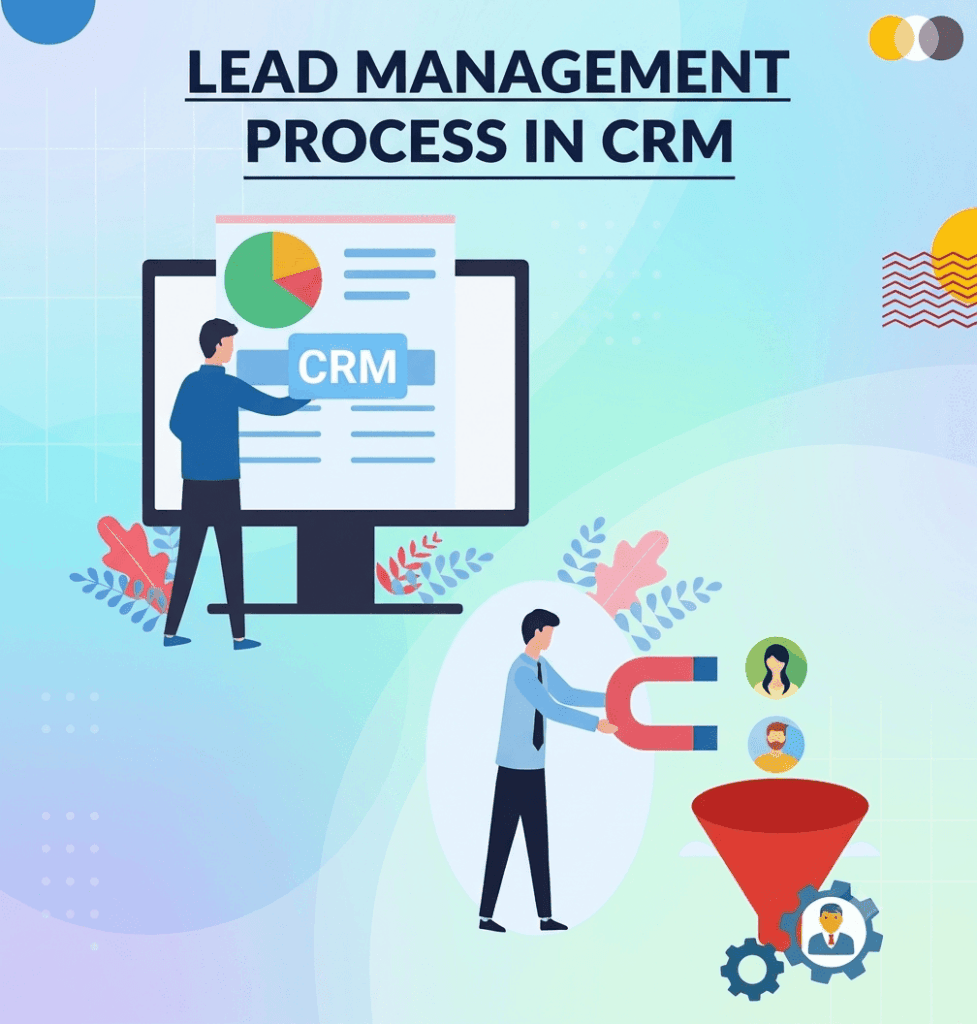

A CRM (Customer Relationship Management) system helps real estate businesses keep track of potential buyers, manage customer conversations, schedule follow-ups and monitor property deals from the first enquiry to the final booking. Instead of maintaining customer information across spreadsheets, diaries and WhatsApp chats, businesses can manage their sales activities from one place.
Think about a property dealer receiving enquiries from Instagram, property portals, phone calls and referrals. One salesperson writes down customer details, another saves numbers on their phone, and someone else maintains an Excel sheet. A few days later, nobody is quite sure who contacted which customer or when the next follow-up is due.
This is a common problem in growing real estate businesses. Generating enquiries is one challenge. Managing them properly is another. That’s why Real Estate CRM Software has become an important part of organising property sales operations.
Book a Free Demo
See how Wortal can simplify your business and help you close more deals.


Quick Summary
This article explains how CRM helps real estate businesses track enquiries, maintain follow-up schedules and manage sales opportunities. It also covers common lead management mistakes, practical examples and how Wortal CRM can help businesses organise their sales activities.
1. The First Challenge: Knowing Where Every Lead Stands
Real estate businesses rarely receive enquiries from just one source. A developer might receive enquiries through paid advertisements, property listing websites, social media, its website and existing customers.
The problem starts when these enquiries are handled separately.
For example, a customer enquires about a 2BHK apartment through an advertisement. The sales executive calls once but gets no response. The number gets buried under other contacts, and nobody follows up again.
Now imagine this happening with 20 or 30 enquiries every week.
Real Estate CRM Software helps prevent this situation by maintaining customer details and enquiry records in one organised system.
Sales teams can record:
- Customer name and contact information.
- Preferred property type and location.
- Budget and buying requirements.
- Previous conversations.
- Current enquiry status.
- Next follow-up activity.
This gives employees a clear picture before contacting a customer.
Here’s something many businesses overlook: a lead is not necessarily lost because the customer isn’t interested. Sometimes, the business simply stops communicating at the right time.
2. Why Follow-Ups Make Such a Difference
Buying property is rarely an immediate decision. Customers compare multiple projects, discuss finances with family members, visit properties and negotiate prices.
A person who isn’t ready to book today might still be interested next month.
This is where organised follow-up management matters.
With Sales CRM For Real Estate, sales representatives can maintain customer histories and plan their next interactions instead of depending entirely on memory.
Consider this situation:
A buyer visits a residential project but wants to discuss the price with family before deciding. The salesperson records the discussion and schedules another conversation.
When the next call happens, the salesperson already knows what was discussed. The customer doesn’t have to explain everything again.
A good follow-up process should include:
- Recording the outcome of the previous conversation.
- Understanding the customer’s current requirement.
- Scheduling the next interaction.
- Updating the enquiry status.
- Recording any change in buying interest.
The objective isn’t to call customers repeatedly. It’s to maintain meaningful communication.
A practical tip: Not every enquiry deserves the same follow-up frequency. Someone planning to purchase within 15 days needs different attention from someone casually exploring property options for the next year.
3. Understanding the Real Estate Sales Pipeline
A sales pipeline shows how enquiries move through different stages before becoming successful deals.
Without this visibility, managers often depend on verbal updates from employees. These updates don’t always provide an accurate picture of ongoing opportunities.
A typical property sales pipeline looks like this:
New Enquiry → Contacted → Interested → Site Visit → Negotiation → Booking → Closed
For example, a property agency might have 150 enquiries, but only 25 customers have shown genuine interest and 10 have scheduled site visits.
This information helps management understand where opportunities are getting stuck.
Property Sales Software makes it easier to organise these stages and review the progress of individual opportunities.
If many customers are interested but very few schedule visits, the sales manager can investigate whether the problem involves property availability, pricing, communication or scheduling.
That’s a much more useful conversation than simply asking employees to generate more sales.
4. What Happens When Businesses Continue Managing Leads Manually?
Spreadsheets are not necessarily bad. A small property dealer handling a limited number of enquiries may find them sufficient.
The difficulty begins when multiple employees start handling hundreds of customers.
| Activity | Manual Method | CRM |
| Customer records | Multiple spreadsheets | Centralised records |
| Follow-ups | Personal reminders | Organised follow-up activities |
| Communication history | Individual phones | Recorded customer history |
| Sales progress | Verbal updates | Pipeline visibility |
| Team coordination | Manual communication | Organised sales activities |
The biggest difference is not just convenience. It is the ability to understand what is happening across the entire sales team.
5. How Wortal CRM Fits Into the Process
A CRM should make everyday sales work easier, not create another system that employees struggle to maintain.
Wortal CRM helps businesses manage leads, follow-ups, quotations, WhatsApp communication and sales activities from one organised platform.
For a property business, this means sales representatives can maintain enquiry information, record customer interactions, manage follow-up activities and keep track of ongoing opportunities.
Consider a customer interested in purchasing a commercial property. The salesperson can maintain the customer’s requirements, continue the conversation through WhatsApp and manage quotation related activities.
With Sales CRM For Real Estate, the objective is to keep important sales information organised rather than scattered across different tools.
Wortal CRM can also be useful for businesses handling sales enquiries across multiple employees, where coordination and visibility become increasingly important.
6. A Practical Example: A Growing Real Estate Agency
Consider a property agency with five sales representatives handling residential and commercial property enquiries.
Initially, each employee maintained their own customer records. The owner had difficulty finding out which customers had been contacted, which required follow-ups and which were close to booking.
The agency decided to introduce Real Estate CRM Software.
The team started by bringing customer records into one system. They then established common sales stages and made it a regular practice to update customer conversations and follow-up activities.
Over time, the owner gained better visibility into pending enquiries and individual employee activities.
The important improvement was not simply having software. It was establishing one consistent process that the entire team followed.
This is why CRM implementation should always involve employee training and clear rules for updating customer information.
7. Common Mistakes to Avoid When Choosing CRM
Before investing in Property Sales Software, businesses should consider a few things:
- Choosing software without understanding their existing sales process.
- Expecting CRM to improve sales without employee participation.
- Recording customer details but ignoring follow-up updates.
- Creating too many pipeline stages that confuse employees.
- Not reviewing pending enquiries regularly.
The right system should be easy enough for sales representatives to use every day.
Key Takeaways
- CRM keeps property enquiries organised.
- Lead sources become easier to monitor.
- Customer conversations remain accessible.
- Follow-ups become more structured.
- Sales representatives understand their responsibilities.
- Managers get better pipeline visibility.
- Potential opportunities are less likely to be overlooked.
- Regular updates improve the quality of CRM records.
Conclusion
A property business doesn’t necessarily need more enquiries to improve its sales process. Sometimes, it needs to manage the enquiries it already receives more carefully.
When customer details, conversations and follow-up activities are properly organised, sales teams can spend less time searching for information and more time talking to potential buyers.
Real Estate CRM Software provides the structure needed to manage this process as a business grows. With Wortal CRM, businesses can bring their lead management, follow-ups, quotations and sales activities together in one place.
Frequently Asked Questions
1. What is CRM in real estate?
CRM is software that helps property businesses manage prospective buyers, customer details, conversations, follow-ups and ongoing sales opportunities from one platform.
2. How does CRM help property dealers?
It helps property dealers organise enquiries, maintain customer histories, schedule follow-ups and understand which buyers are actively considering a property.
3. Can CRM help manage leads from Facebook and Instagram?
Yes. CRM platforms can help organise enquiries from advertising channels, provided the required integrations or lead capture connections are configured.
4. Why do real estate sales teams need follow-up reminders?
Buyers often take weeks or months to make property decisions. Reminders help sales representatives maintain communication instead of relying on memory.
5. Is CRM suitable for small real estate agencies?
Yes. Even a small agency can benefit from organised customer records and follow-up activities, particularly when multiple employees handle enquiries.
6. What is a sales pipeline in real estate?
It represents the stages a prospective buyer moves through, starting with an enquiry and progressing through discussions, site visits, negotiations and booking.
7. Can CRM manage WhatsApp communication?
Some CRM platforms support WhatsApp communication through available integrations. Businesses should check the supported features before selecting a system.
8. What is the difference between CRM and property management software?
CRM focuses on customer relationships and sales activities. Property management software generally handles operational activities such as property records, maintenance and tenancy management.
9. How do I choose Property Sales Software?
Look for lead management, follow-up tracking, customer records, sales pipeline visibility, team coordination and quotation management. Choose features that match your actual workflow.
10. How does Wortal CRM help sales teams?
Wortal CRM helps teams organise leads, manage follow-ups, prepare quotations, coordinate WhatsApp communication and keep sales activities organised within one platform.