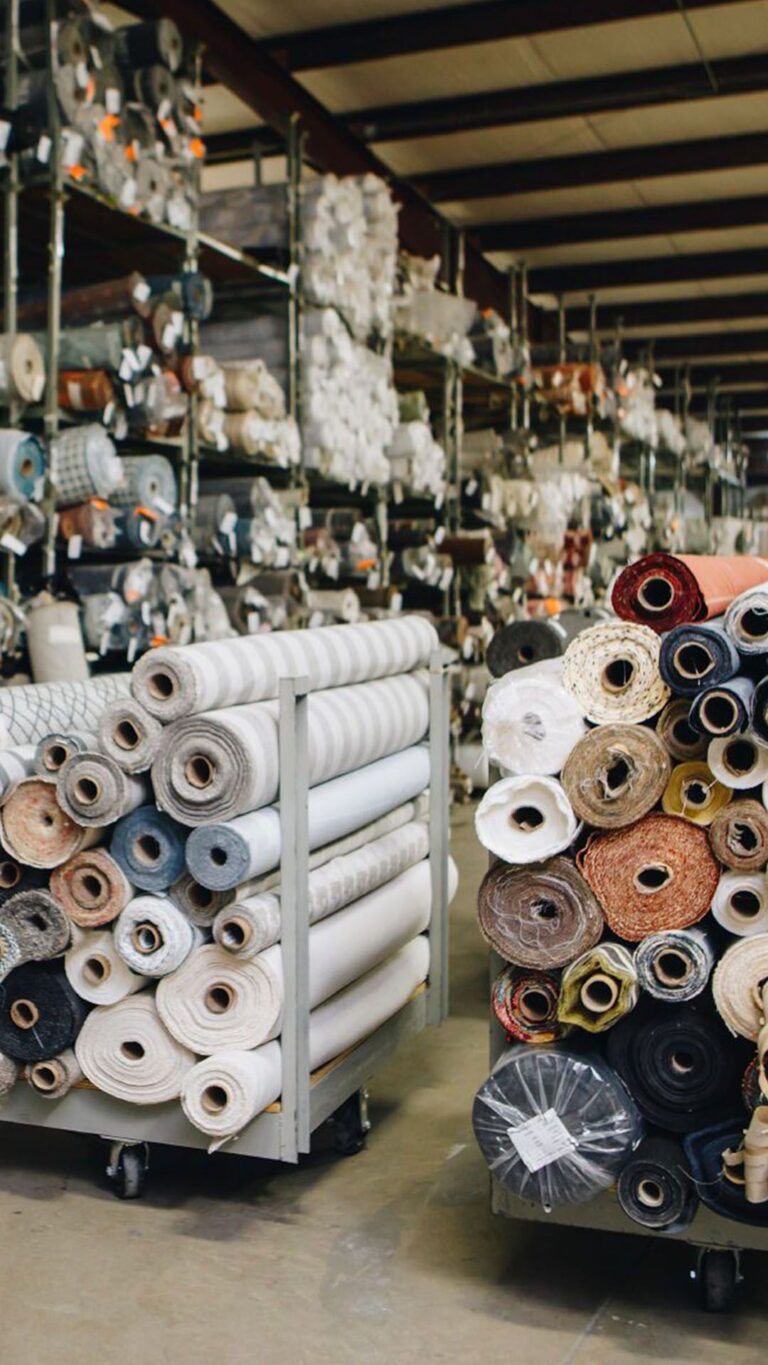



Walk into any busy textile godown in Surat or Tirupur, and you will see the same familiar chaos. Brokers yelling over the phone, tempos waiting outside to load bales of fabric, and an accountant hunched over a desk trying to match delivery challans with job work receipts. Managing a textile operation is tough enough without the government throwing complex tax mandates into the mix.
But whether you run a weaving unit, a dyeing house, or a wholesale trading shop, the rules of the game have changed. If your annual turnover has crossed the Rs.5 crore mark anytime since 2017-18, dealing with e-invoicing textile business India regulations is no longer something you can push off to next year. It is the law right now.
The real issue is… applying standard, generic retail tax rules to the messy, meter-by-meter reality of the fabric trade feels almost impossible. How do you explain shade variations, varying cut lengths, and broker commissions to a rigid government tax portal?
In this guide, we are going to strip away the technical jargon. We will look at exactly what E-invoicing For Textile Industry India actually looks like on the ground, and how you can get your billing processes compliant without bringing your daily dispatch to a complete standstill.
Book a Free Demo
See how Wortal can simplify your business and help you close more deals.


Why Textiles Don’t Fit the Standard Billing Mold
If you sell mobile phones, billing is easy. One box, one price, one barcode. Textiles are a totally different beast. You might send out 500 kilos of raw yarn, get it back as grey fabric, send it out again for printing, and finally sell it in bundles where every single piece has a slightly different yardage.
Most people ignore this part. They buy a standard billing software off the shelf and just assume it can handle the nuances. I have seen dispatch managers pull their hair out trying to force-fit multiple HSN codes-say, billing 100% cotton and a polyester blend on the same truck-into software that just wasn’t built for it.
When you try to handle e-invoicing textile business India compliance with basic tools, the GST portal throws errors. Your truck gets stuck at the state border, and your buyer gets furious because their goods are delayed. This is exactly why searching for a proper Textile Accounting Software For Textile Industry India is the first thing smart mill owners do. You need a system that actually understands words like ‘taka’, ‘bale’, and ‘L.R. number’.
If you are currently figuring out How To Generate E-invoice In Textile Business, the very first step is accepting that your generic accounting software is probably going to fail you when the dispatch counter gets busy.
The Rs.5 Crore Reality Check
Let’s quickly cover the rules so you aren’t caught off guard by a tax notice. The government has steadily lowered the threshold for electronic invoicing. Right now, if your aggregate turnover hits Rs.5 crore, you have to generate an Invoice Reference Number (IRN) for every single B2B sale and export.
There’s also a strict timeline to watch out for. For businesses over the Rs.10 crore mark, you only have 30 days to report your invoice to the Invoice Registration Portal (IRP). Miss that window, and the portal locks you out.
What happens then? Your buyer cannot claim their Input Tax Credit (ITC). And let me tell you, nothing ruins a good relationship with a wholesale buyer faster than messing up their ITC. Navigating E-invoicing For Textile Industry India isn’t just about keeping the tax inspector happy; it’s about protecting your buyers’ cash flow so they keep coming back to you.
How To Generate E-invoice In Textile Business (The Practical Way)
When accountants talk about How To Generate E-invoice In Textile Business, they usually start throwing around words like “JSON files” and “API bridges.” That is enough to make anyone’s eyes glaze over. Your guy at the billing counter does not need to know what a JSON payload is. He just needs to print the bill and get the tempo loaded.
That’s where things usually go wrong. Business owners try to use offline tools. They export an Excel sheet at the end of the day, log into the government portal, and manually upload everything. It takes hours, and one typo ruins the whole batch.
Here is how the workflow actually should look on the floor:
- Step 1: Your billing clerk makes the invoice, adding the specific bale numbers, meters, and broker name.
- Step 2: They click “Save.”
- Step 3: The software secretly talks to the GST portal in the background in about two seconds.
- Step 4: The portal sends back a valid IRN and a QR code.
- Step 5: The printer spits out the final commercial bill with the QR code printed right at the top.
Done. No Excel sheets. No dual data entry. Managing e-invoicing textile business India rules has to be invisible to your staff, or it will slow down your entire factory.
Finding the Right System: Why Wortal Makes Sense
In practical terms… you can’t run a fast-paced fabric business on slow software. If a transport truck is waiting, you can’t afford a five-minute delay per bill.
This is where your choice of Textile Accounting Software For Textile Industry India becomes critical. We saw so many traders struggling with this exact problem that we built Wortal. We didn’t just tweak a retail software; we built Wortal from the ground up specifically for the fabric and garment industry.
When you use Wortal, managing E-invoicing For Textile Industry India becomes an afterthought because the system natively understands your business. Need to calculate broker commissions per meter? It does that. Need to track grey fabric sent to the dye house while simultaneously generating a valid tax bill for a finished goods sale? Done.
What Actually Matters on the Godown Floor
Here’s what actually matters. You need a system that gets out of your way.
- Simultaneous Generation: Wortal creates your e-way bill and your e-invoice at the exact same time with one click.
- Textile-Specific Inventory: Forget trying to manage “items.” Wortal tracks takas, cut pieces, and shade numbers accurately.
- Error Prevention: The system checks your HSN codes and GST numbers before sending data to the portal, drastically cutting down on rejected invoices.
If you are losing sleep over How To Generate E-invoice In Textile Business, Wortal bridges that gap effortlessly. It is a genuine Textile Accounting Software For Textile Industry India that lets you focus on selling fabric, while we handle the complicated backend e-invoicing textile business India compliance.
Costly Mistakes You Need to Stop Making
Transitioning to digital tax reporting usually exposes all the messy shortcuts a business has been taking for years.
For example, using the wrong HSN code is a massive issue. I see traders switch from selling pure cotton to a synthetic blend and forget to update the HSN code on the bill. The government portal validates the tax rate against the HSN code instantly. If it doesn’t match, your invoice is rejected on the spot.
Another huge headache is cancellations. You only get 24 hours to cancel an e-invoice on the IRP. If your buyer receives the fabric in Delhi three days later, opens the bale, and rejects it because the dyeing is patchy, you can’t just delete the bill from your computer. You have to issue a proper credit note and report that to the portal. Handling these returns properly is the backbone of surviving E-invoicing For Textile Industry India.
Also, stop back-dating your bills. The days of making a rough delivery challan today and creating the official tax invoice a week later are over. If your truck is caught without a valid QR code, the penalties are brutal. Mastering e-invoicing textile business India means real-time billing, every single time.
Quick Tips to Get Your Mill Ready
Getting compliant doesn’t have to be a nightmare. Keep these practical steps in mind:
- Audit your turnover: Check your books with your CA to see if that Rs.5 crore rule currently applies to your GSTIN.
- Stop manual uploads: Figure out How To Generate E-invoice In Textile Business directly through an API integration so you aren’t doing manual data entry twice.
- Train your billing desk: Make sure your staff understands that they cannot freely delete or alter invoices after 24 hours without proper credit notes.
- Upgrade your tech: Move to a specialized Textile Accounting Software For Textile Industry India like Wortal to handle the heavy lifting.