

Let’s skip the corporate speak for a minute.
If you run a business or manage a sales team in India, you know the drill. Monday morning starts with a lot of energy. By Wednesday afternoon, half your reps are drowning in Excel sheets, three key leads have gone cold because someone forgot a follow-up, and your WhatsApp is flooded with unorganized voice notes from field reps stuck in local traffic.
When you ask your sales manager for a revenue projection for the month, you get an educated guess wrapped in optimism.
That’s not a sales strategy; it’s a gamble.
The real issue is that most Indian companies grow beyond 5 to10 employees using notebooks, WhatsApp, and basic spreadsheets. That works fine when you are handling five deals a month. But as soon as you hit 50 or 100 leads, things fall apart. Deals slip through the cracks. Reps double-contact the same prospect. Follow-ups happen late.
That’s where things usually go wrong-and that’s exactly why investing in the right Sales Pipeline Management Software isn’t a luxury anymore. It’s basic operational infrastructure.
Let’s cut through the fluff and look at how to structure, choose, and run a Pipeline Management Software system that actually makes sense for the Indian market.
What Most People Get Wrong About a Sales Pipeline
Before jumping into software features, let’s clarify what a pipeline actually is. Many people confuse a sales funnel with a sales pipeline.
- A Sales Funnel is about the buyer’s journey (Awareness → Interest→ Decision).
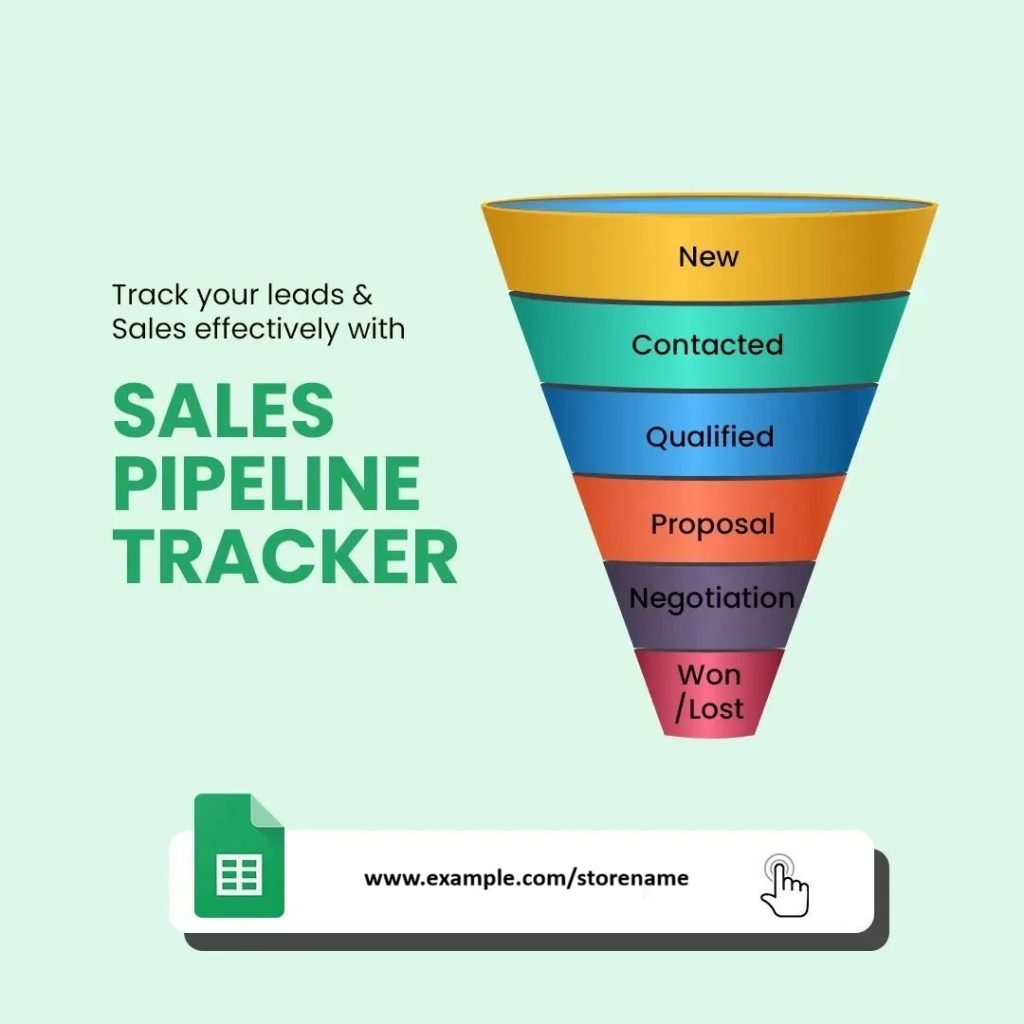
- A Sales Pipeline is about your sales team’s actions (Prospecting→ Qualification → Proposal→ Negotiation → Closure).
A proper Sales Pipeline Management Software gives you a visual dashboard-usually a Kanban board-that shows every single deal progressing through these exact stages.
If a prospect is stuck in the “Proposal Sent” stage for 14 days, the software highlights it. You don’t have to call your rep to ask what happened; you can look at the pipeline log and see that the prospect hasn’t opened the quote email yet.
Book a Free Demo
See how Wortal can simplify your business and help you close more deals.


Why Indian Businesses Face Unique Pipeline Challenges
Managing sales in India isn’t quite like managing sales in North America or Western Europe. Our buyer behavior, channel preferences, and operational styles are different. Here’s what actually matters on the ground:
1. The WhatsApp Ecosystem
In India, business happens on WhatsApp. If your reps have to copy phone numbers from a desktop portal into their personal phone, send a message, and manually copy-paste the reply back into a CRM, they won’t do it.
A reliable Pipeline Management Software for Businesses operating in India must integrate directly with WhatsApp. Reps should be able to trigger templated updates, share product catalogs, and log conversations without leaving their primary workflow.
2. Multi-Channel Lead Leakage
Indian businesses source leads from everywhere: IndiaMART, TradeIndia, Facebook ads, Google forms, inbound calls, and walk-ins. Without a central hub, leads sit in email inboxes or Excel sheets for days. In modern sales, responding in 5 minutes versus 5 hours can be the difference between closing a client and losing them to a competitor.
3. Payment Terms and Invoicing Realities
Closing a deal in India is only half the battle; collecting payment and issuing GST-compliant invoices is the other half. If your deal stage ends at “Closed Won” but doesn’t connect with your invoicing or billing stack (like Wortal), your pipeline metrics won’t accurately reflect your actual cash flow.
5 Essential Features to Look for in a Pipeline Tool
Don’t buy a platform just because it has dozens of complex features you’ll never touch. Look for practical tools that solve daily headaches:
Real-Life Case Study: How Animesh Fixed His Broken Sales Engine
To understand how this plays out in the real world, let’s look at a manufacturing supply firm based out of Pune.
The Problem
Animesh runs a B2B industrial packaging business. He had a 6-member field sales team and 2 inside sales reps. They were generating around 120 leads per month through trade portals and digital ads.
Despite good lead flow, revenue had hit a wall at Rs.18 Lakhs per month.
When Animesh audited his team’s workflow, he discovered:
- The Response Delay: Inbound leads took an average of 26 hours to receive their first phone call.
- The “Lost” Leads: Over 40% of leads received only one follow-up call. If the prospect didn’t pick up, the rep moved on.
- Proposal Creep: Custom quotes took up to 3 days to send out because reps had to consult the finance team manually.
The Solution
In late 2025, Animesh stopped managing operations via WhatsApp groups and implemented a dedicated Sales Pipeline Management Software. He integrated it directly with Wortal for billing and quote creation.
The Results After 90 Days
In practical terms, Animesh didn’t hire a single new sales rep or increase his ad budget. He simply plugged the leaks in his existing bucket using a structured Pipeline Management Software for Businesses.
A Realistic Walkthrough: Setting Up Your Software
If you decide to deploy a Sales Pipeline Management Software this week, don’t try to digitize your entire enterprise overnight. Start lean.
Step 1: Map Your Actual Process (Not Your Ideal One)
Sit down with your top-performing sales rep. Ask them: “What are the exact steps you take from first talking to a customer to getting the advance payment?”
Write those steps on a whiteboard. Those steps become your initial pipeline stages. Keep it under 6 stages if possible.
Step 2: Establish “Stage Gate” Rules
Most people ignore this part. A deal shouldn’t move from Qualification to Proposal Sent just because a rep felt like dragging the card over. Define clear exit criteria for every stage:
- To move to “Proposal Sent”: Rep must have verified budget, authority, and specific product SKUs.
- To move to “Negotiation”: A formal quote generated through your system (or integrated via Wortal) must be sent to the decision-maker.
Step 3: Automate the Repetitive Work
Set up simple automation rules:
- When a new lead arrives → Auto-assign to rep based on round-robin routing.
- When a deal reaches “Closed Won”→ Trigger a notification to your finance team to issue the invoice.
- If a deal sits inactive for 5 days → Send a push notification to the sales manager.
Key Metrics You Need to Watch Every Monday
Having a Pipeline Management Software dashboard is great, but looking at colorful charts won’t grow your business if you aren’t tracking the right numbers.
1. Pipeline Velocity
How fast are deals moving from top to bottom? If your average sales cycle is 21 days, any deal sitting at day 35 needs immediate management intervention.
2. Stage-by-Stage Conversion Rate
If you get 100 leads, qualify 50, send quotes to 20, and close 5, your biggest drop-off happens between Proposal and Close. You don’t need more leads; you need better closing techniques or clearer pricing structures.
3. Average Deal Value
Is your team spending 80% of their time chasing small, Rs.10,000 orders while Rs.5 Lakh deals sit untouched? Sorting your pipeline board by monetary value ensures your team prioritizes high-impact opportunities first.
Summary Checklist for Indian Business Owners
- Audit your current flow: Identify where leads are getting lost between first contact and final payment.
- Keep your pipeline clean: Delete or archive cold deals older than 60 days. A pipeline stuffed with dead leads distorts your revenue forecasts.
- Mobile-first adoption: Ensure your sales reps can update deal statuses directly from their smartphones, using field-friendly integrations like WhatsApp and Wortal.
- Focus on consistency: Software is only as reliable as the data entered into it. Enforce daily logging as part of your team’s routine.