
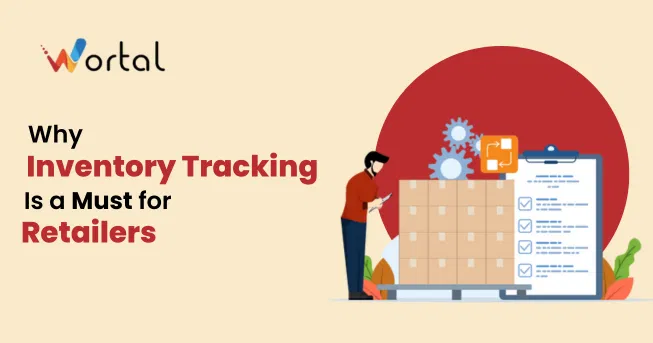

The retail industry is a competitive one. From large online stores to small neighbourhood shops, everyone wants customers’ attention. Under such tough competition, efficiency is the way to survival. The secret to retail efficiency lies in good inventory tracking.
Your inventory is the core of your business. Without a clear, up-to-date picture of what you have, where it is, and how much you have. This article will discuss the reasons why stock tracking is not only a good thing but essential for any retailer if you want to succeed. We’ll discuss its numerous advantages, the dangers of not doing it, and how a proper inventory system can enhance your operations.
The Foundational Significance of Understanding Your Numbers
At a basic level, inventory tracking allows you to know your stock levels. Having a transparent overview of what you have available in the store gives numerous advantages to your retail business.
1) Avoiding Stock Outs and Overstocking
Avoiding stock outs and overstocking is one of the main advantages of monitoring your stock.
Stock-outs (Running Out of Stock): Imagine the customer who wants to purchase a best-selling item only to discover that the shelf is bare. It’s not only a lost sale but also harms the customer experience. They may shop with a competitor instead. And angry staff can’t fulfil orders, which causes disorganisation. With proper inventory monitoring, you receive notifications when stock levels are low. This allows you to restock in advance and maintain popular products in stock.
Overstocking (Too Much Product): Overstocking hurts your business as well. Having too much inventory locks up capital that could be applied towards another need, such as marketing or training employees. It also incurs storage expenses, raises the risk of products spoiling, and can result in markdowns that risk your profit. Good tracking allows you to identify slow-moving items and scale back your orders.
2) Cash Flow Optimisation
Inventory tends to be the largest asset of retailers, but it can turn into a liability if not handled effectively. If you have too much inventory on hand, it ties up funds you cannot invest. By keeping an accurate track of your stock, you can purchase more efficiently and save idle capital. This available cash can fuel expansion, retire debt, or be a source of comfort.
3) Managing Shrinkage
Shrinkage is the loss of inventory through theft, damage, or errors. Shrinkage tends to go undetected until a physical count. A robust inventory system keeps tabs on everything. It records when products arrive, sell, return, or transfer. Through tracking, discrepancies and lost products can be located. Reducing shrinkage safeguards your profits and maintains your reported inventory levels equal to what you have on hand.
4) Improved Customer Satisfaction
Presently, customers want what they want when they want it. You’re able to keep commitments with accurate inventory information. If your site indicates that a product is in stock, it must be there. If you support store pickup, the product must be ready. Fulfilling these expectations creates trust and loyalty. If you don’t deliver due to inaccurate stock information, consumers will go to your competitor.
The Power of Real-Time Data: More Than Counting Boxes
Inventory management is no longer counting boxes every month. Today’s retail business is a more adaptive business, and real-time data makes a huge difference.
Instant Visibility: What’s Happening Right Now?
Imagine having a precise idea of how many products you have at any given point in all your locations – your flagship store, a pop-up store, and your e-warehouse. This is the advantage of real-time information. Every sale, return, or shipment instantly updates your inventory levels. This speedy visibility enables you to make quick decisions, whether that’s restocking best-sellers, shifting stock from one store to another to service demand, or catching mistakes quickly.
Informed Decision-Making: Guesswork No More
With real-time data, your decisions are based on up-to-date facts and not guesswork. You can:
Recognise Trends: Notice what sells and what doesn’t. This assists you in reorienting your buying schedule, advertising top-sellers, and determining discounts or eliminating slow-moving items.
Optimise Pricing: Learn the cost of holding inventory so you can price accordingly, particularly for those about to expire or with excess stock.
Enhance Forecasting: Based on previous sales data and present trends, make more accurate forecasts regarding future demand. This is crucial for purchasing in a cost-effective manner and not under- or overstocking.
Boost Marketing Activities: If you have surplus stock of a product, you can conduct targeted promotions. If a product is in demand, you can emphasise its popularity to drive sales even higher.
Streamlined Operations: Efficiency at Every Turn
Real-time data isn’t so much about what you know as how you leverage that information. It assists in making numerous operational procedures more efficient:
Quicker Fulfillment of Orders: Once a customer orders an item, your system can immediately verify if the item is available and where it is situated. This results in quicker picking, packing, and shipping.
Streamlined Returns Management: When a customer returns an item, the system can automatically adjust stock levels, and returns handling becomes streamlined and accurate.
Efficient Receiving: When new inventory arrives, it can be quickly scanned and added to the system. This updates your stock levels and makes items available for sale sooner.
Better Employee Productivity: Employees spend less time searching for items or handling customer complaints due to incorrect inventory. This allows them to focus on customer service and other important tasks.
Common Pitfalls of Neglecting Inventory Tracking
Most retailers, particularly smaller ones, may hold off installing a proper inventory solution, believing they can survive with spreadsheets or hand counts. But this typically results in numerous issues that can quickly get out of control.
Inaccurate Financial Reporting: Your inventory is a large asset on your balance sheet. If your inventory records are inaccurate, your financial statements will be inaccurate as well. This can result in poor business decisions and accounting and tax problems.
Lost Sales and Customer Dissatisfaction: Inaccurate inventory tracking can result in stockouts, which is lost revenue and dissatisfied customers who will shop elsewhere.
Excessive Carrying Costs: Overstocking might result in increased storage charges, insurance, possible obsolescence, and tied-up funds, which can damage your profits.
Operational Inefficiencies: Manual processes of inventory consume a lot of time, are susceptible to errors, and divert workers from more critical tasks. This can cause your operations to become less productive and less responsive.
Difficulty Scaling: As your business grows, tracking inventory manually becomes impossible. What works for a small store with a few dozen items won’t work for a multi-location retailer with thousands of items. A strong inventory solution is essential for growth.
Damaged Reputation: Failing to deliver on stock promises or having a disorganised inventory can harm your brand’s reputation. This will make it hard to attract new customers and keep existing ones.
Selecting the Right Inventory Solution: It’s Not Just a Program
It might appear difficult to implement an inventory solution, but it is well worth the challenge. When you are choosing a system to assist you in monitoring stock, keep these points in mind:
Ease of Use: It needs to be easy and straightforward for your employees to use. A complex system will lead to errors and resistance from users.
Integration Capabilities: Look for a solution that works well with your Point-of-Sale (POS) system, e-commerce platform, accounting software, and possibly shipping services. This helps create a smooth data flow and reduces the need for manual entry.
Real-Time Data Access: This is essential. Make sure the system provides instant updates on stock levels across all your channels.
Reporting and Analytics: The solution must contain robust reporting capabilities to review sales patterns, inventory turnover, shrinkage, and other metrics. These are essential to plan with.
Scalability: Select a solution that scales with your business. If you intend to open additional locations or carry additional products, your inventory system must scale well with little modification.
Mobile Accessibility: The capacity to monitor stock levels, get deliveries, or count from a mobile device or tablet provides extensive flexibility and efficiency, particularly for companies with various locations or employees on the move.
Barcode Scanning and RFID Compatibility: These technologies have the potential to increase and enhance the accuracy of receiving, counting, and picking products.
Vendor Management Features: Some sophisticated systems assist with managing vendor relationships, purchase orders, and lead times, streamlining your supply chain.
Customer Support and Training: Your vendor should give you full support and training to ensure you and your staff can get the best use out of the system.
The Implementation Journey: Making the Transition Smooth
Changing to a new inventory system requires careful planning, but it is well worth it. These are the main steps:
1. Examine Your Current Situation: Know your current inventory procedures, determine what is wrong, and determine what you need and want in a new system.
2. Research and Choose a Solution: Depending on your evaluation, research various inventory solution vendors. Review features, cost, and customer ratings. Request demos and test trials if necessary.
3. Data Migration: Be careful with this step. Migrate your current product data, vendors, and opening stock levels into the new system. You might need to perform a physical count of inventories.
4. Staff Training: Educate your team on the use of the new system. Emphasise the advantages and how it will simplify their work. Overcome resistance or concerns.
5. Phased Rollout (Optional): It may be beneficial to use a phased rollout for bigger businesses. Begin with rolling out the system in one department or location first before doing the others.
6. Continual Optimisation: Inventory management is a continuous job. Constantly look at your data, refine your strategies, and take full advantage of all the features of your inventory solution in order to keep improving.
Also read: How Inventory CRM Helps in Cost Reduction
Getting Beyond the Basics: High-Level Benefits of Following Your Stock
With a good inventory solution in place, you can reap high-level benefits that make you stand out from the crowd:
Improved Negotiation with Suppliers: Negotiate more favourably with suppliers using exact sales figures and inventory turnover rates to negotiate improved terms, prices, and delivery schedules. You will be aware of what you require and when enabling bigger orders or just-in-time delivery.
Cross-Channel Consistency (Omnichannel Retail): For those retailers who have physical stores and online stores, an integrated inventory solution is a must. It maintains inventory levels consistent across all channels, avoiding overselling of products. This provides a seamless customer experience regardless of how they shop.
Enhanced Employee Morale: If employees are able to access real-time, accurate data, they are able to work more efficiently. They spend less time out-of-stock and finding products. This results in fewer frustrations and increased job satisfaction.
Data-Driven Merchandising: With knowledge of which items are selling and which are not, make informed decisions regarding product placement, promotions, and store design. Determine cross-selling opportunities and maximise your visual merchandising to increase sales.
Sustainability and Waste Reduction: For companies selling perishable products, proper tracking of inventory minimises waste. Having an exact count of the amount of stock you have and how old it enables you to sell the older products first or reduce orders on short-shelf-life products. This saves you money and promotes sustainable practices.
Improved Audit Readiness: For tax and accounting requirements, having proper and well-organised inventory records is critical. A good inventory system simplifies audits and reduces the risk of mistakes.
The Future of Retail: Powered by Data
Retail continues to evolve because of new technology and changing consumer behaviour. Accurate tracking of stock in real-time, with a robust inventory system, is critical for success.
Retailers who embrace these practices will:
Respond to Market Shifts: Rapidly adapt to demand shifts, supply chain disruptions, and emerging trends.
Provide Outstanding Customer Experiences: Make products accessible, ship orders promptly, and provide accurate information, which builds loyalty with customers.
Optimise Profitability: Enhance buying, minimise waste, reduce storage costs, and prevent lost sales.
Scale and Grow: Establish a strong base for growth, knowing that your inventory operations can support your goals.
Conclusion
In retail, each sale and each customer interaction counts. When you have a good inventory system that provides real-time data, you can make informed decisions, refine your operations, and establish a stronger, more profitable retail business.
With Wortal CRM, manage inventory seamlessly across multiple branches and warehouses with our top-tier inventory management software in India. Efficiently track and organise stock levels to meet demand, streamline order fulfilment, minimise dead stock, and enhance customer satisfaction.
Easily facilitate inventory transfers between branches and warehouses with a few clicks. Centralised control allows you to redistribute inventory to reduce costs and improve delivery times, ensuring timely stock availability.
Utilise intuitive reporting capabilities to track inventory across locations, helping you meet customer needs, minimise dead stock, and optimise procurement decisions with Wortal CRM inventory management software. Sign up for a free trial today and explore more about Wortal CRM to learn more.