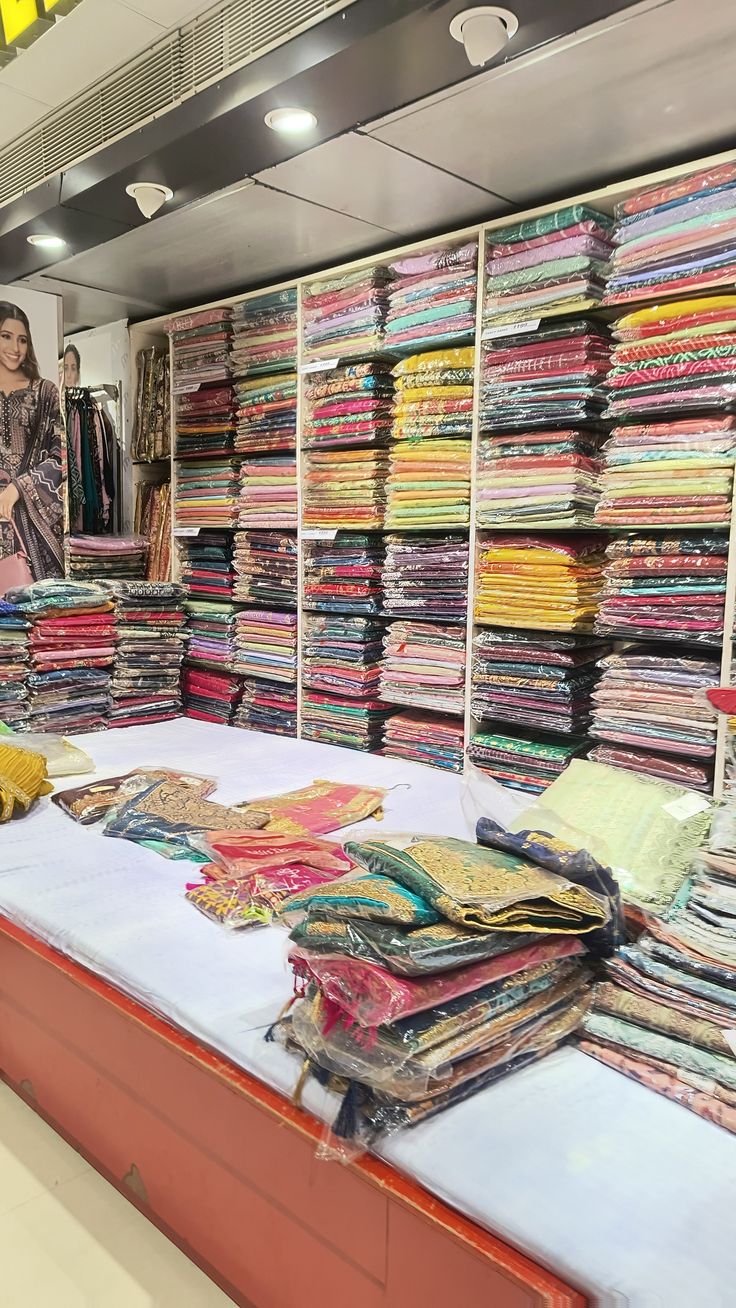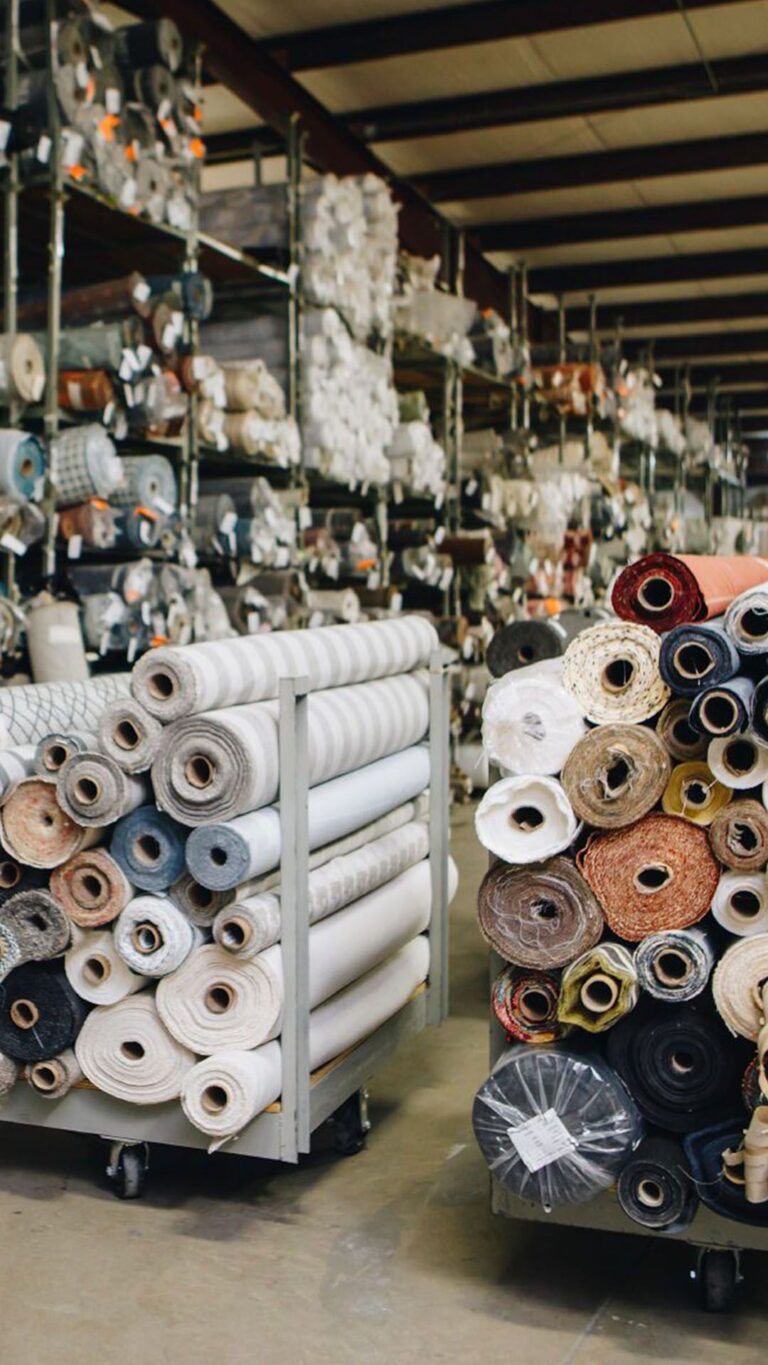



Walk into any textile trade fair in India over the past two years, and one name keeps coming up in every conversation – Bharat Tex. Exporters compare notes on which hall had the best machinery demos. Manufacturers talk about the buyer meetings that turned into actual orders. And every year, the scale gets bigger.
Bharat Tex 2026 is shaping up to be the largest edition yet. If you’re in textiles – whether you’re weaving fabric in Surat, exporting garments from Tirupur, or sourcing machinery for a mill in Coimbatore – this is one event on the calendar you can’t afford to skip.
What is Bharat Tex?
Bharat Tex is India‘s flagship global textile exhibition, built around what the government calls the 5F vision – Farm to Fibre to Factory to Fashion to Foreign. The idea is simple: bring the entire textile value chain under one roof, from raw cotton to finished garments ready for export.
It’s organised by the Bharat Tex Trade Federation (BTTF), an umbrella body made up of 11 textile-related Export Promotion Councils along with other industry organisations, working with support from the Ministry of Textiles.
The first edition ran in February 2024, and it made an immediate splash. That show pulled in 3,500 exhibitors and 3,000 buyers from 111 countries, along with over a lakh trade visitors, and it wrapped up with 63 MoUs signed across research, innovation, entrepreneurship, and sustainability. That’s not a small showing for a first-year event – it’s the kind of number that made global buyers sit up.
The second edition, Bharat Tex 2025, ran in February 2025 and grew further, with organisers projecting over 5,000 exhibitors, 6,000 international buyers from 110 countries, and an anticipated footfall of over 120,000 visitors. Now comes the third edition, and by every account, it’s set to outdo both.
Bharat Tex 2026 at a Glance
Here’s what’s officially confirmed so far:
Some numbers floating around online vary slightly depending on when the source was published – that’s normal for an event still finalising participation. At the time of writing, the final exhibitor count and full session schedule are yet to be locked in, so treat any figure beyond what’s listed above as a working estimate.
Book a Free Demo
See how Wortal can simplify your business and help you close more deals.


Textile Segments Covered
One thing that sets Bharat Tex apart from smaller regional expos is how much ground it covers. You’ll find fibres and yarns sitting a few halls away from technical textiles and smart fabrics – sectors that rarely share floor space at other shows.
The exhibition spans fibres and yarns, fabrics, apparel and fashion, home textiles, technical textiles, handicrafts, handlooms, and intelligent manufacturing technologies. Add to that dyes, chemicals, garment accessories, and sustainable textile solutions, and you’ve got a floor plan that genuinely spans the entire value chain – not just apparel dressed up as a “textile show.”
For a manufacturer, that’s useful. You can walk from a yarn supplier’s stall straight to a machinery vendor, then to a dye-chemical company, without leaving the building.
Why Bharat Tex 2026 Matters
Anyone who’s worked a stall at a trade fair knows the difference between a show that gets you leads and one that gets you actual orders. Bharat Tex has quickly built a reputation for the latter.
Part of that comes down to scale. With over 7,000 international buyers expected from 140-plus countries, the sourcing conversations happening on the floor aren’t casual browsing – they’re structured buyer-seller meets with real budgets behind them.
It also matters for exports. India’s textile sector has been pushing hard to grow its share of global trade, and events like this give exporters direct access to buyers they’d otherwise need months of cold outreach and travel to reach. For a mid-sized exporter, four days at Bharat Tex can replace what would normally take a year of scattered international trips.
There’s an investment angle too. Sponsors and participants of this edition include Trident, Vardhman Textiles, RSWM, Shahi Exports, Colorjet, Arvind, PDS Limited, and Sattva – names that carry weight in the industry and tend to attract serious institutional buyers and investors alongside them.
Major Highlights Expected
A few things are officially confirmed for this edition, and a few more are likely based on how past editions have run.
Confirmed highlights include:
- The Global Textile Dialogue – knowledge sessions bringing together policymakers, industry leaders, and innovators on topics like global trade dynamics, ESG standards, Industry 5.0, and resilient supply chains
- The CITI Textile Sustainability Awards 2026, structured around seven focus areas – resource efficiency, energy and emissions, circular economy, sustainable materials, social responsibility, responsible business, and industry collaboration
- A dedicated mobile app for exhibitors, buyers, and delegates, offering exhibitor discovery, B2B meeting scheduling, digital badges, QR-based lead capture, and live agenda access
- A Pre-Fair Directory that lets buyers and exhibitors identify relevant business partners before the event starts, which is genuinely useful if you want to line up meetings in advance instead of wandering the floor hoping to bump into the right supplier
Based on how the last two editions went, expect buyer-seller meets, seminars on emerging technology, fashion showcases, and a strong innovation zone for startups working in areas like smart textiles and recycled fabrics. These aren’t officially locked yet, but they’ve been a consistent part of the Bharat Tex format so far.
Benefits for Different Visitors
Manufacturers get a direct line to sourcing raw materials and machinery in one trip, instead of chasing suppliers across separate regional fairs.
Exporters get face time with international buyers who are actively looking to place orders – not just browsing catalogues online.
Importers can compare Indian suppliers side by side, which is far more efficient than screening vendors one email at a time.
Retailers get early visibility into upcoming collections and fabric trends before they hit the mainstream market.
Designers and fashion brands can scout fabric innovations and manufacturing partners who can actually execute at scale.
Startups working in textile tech, sustainable materials, or smart fabrics get exposure to an audience that includes investors and established manufacturers looking for innovation partners.
Students from design and textile institutes get a rare, condensed view of how the entire industry – from fibre to finished garment – actually functions.
Machinery suppliers get a concentrated pool of buyers actively evaluating equipment upgrades, which is a lot more efficient than door-to-door sales visits.
Textile Trends to Watch in 2026
A few threads keep showing up across sessions and exhibitor pitches at recent editions, and they’re worth watching this year too:
- Recycled fabrics and circular fashion models are moving from niche to mainstream, especially for export-facing brands
- Organic cotton continues gaining ground as global buyers push sustainability requirements down their supply chains
- Digital printing is cutting production timelines for smaller, customised runs
- Smart textiles – fabrics embedded with sensors or functional properties – are creeping out of pure R&D and into commercial pilots
- Traceability tools are becoming a buyer requirement, not just a nice-to-have, particularly for exports to the EU and US
- AI-assisted design and automation on factory floors are showing up more in machinery pavilions than they did even a year ago
Government Support
India’s textile sector has had real policy backing over the past few years, and Bharat Tex is where a lot of that gets discussed in one place.
PM MITRA (Mega Integrated Textile Region and Apparel) parks aim to build integrated textile hubs with spinning, weaving, processing, and garmenting facilities in one location – cutting logistics costs for manufacturers who currently ship material across states between each production stage.
The PLI Scheme offers incentives to boost domestic manufacturing of man-made fibre apparel and technical textiles, encouraging companies to scale up production within India rather than relying purely on imports for certain fabric categories.
The National Technical Textiles Mission focuses on building domestic capability in technical textiles – think medical textiles, geotextiles, and industrial fabrics – a segment India has historically imported more than it’s produced.
Together, these initiatives tie into the broader Make in India push and the government’s export promotion efforts, and sessions at Bharat Tex typically dig into how businesses can actually tap into these schemes rather than just talking about them in the abstract.
Sustainability at Bharat Tex
Sustainability isn’t a side conversation at this event anymore – it’s built into the programming. The CITI Textile Sustainability Awards, mentioned earlier, cover everything from renewable energy adoption to water conservation and ethical supply chains.
For exporters, this matters practically. Global buyers, particularly in Europe, increasingly ask for evidence of ESG compliance before placing large orders. Sessions on circular economy models and green manufacturing at Bharat Tex give smaller manufacturers a way to understand what buyers are actually asking for, without hiring an expensive consultant to translate it.
Networking Opportunities
Ask anyone who’s attended a Bharat Tex edition what they got the most value from, and networking usually tops the list – even above the exhibits themselves.
The format brings buyers, suppliers, investors, manufacturers, exporters, and technology providers into the same physical space for four days. That’s rare. Most of the actual business – the follow-up calls, the sample requests, the price negotiations – starts with a five-minute conversation on the exhibition floor, not a cold email sent months later.
If you’re an exporter trying to break into a new geography, this is often the fastest way to get a foot in the door with buyers who’d otherwise be unreachable.
Practical Tips Before Visiting
A few things that make a real difference once you’re on the ground:
- Register early through the official channel to avoid queues and get access to the buyer-exhibitor matchmaking tools ahead of time
- Use the Pre-Fair Directory to line up meetings before you arrive – walking in cold wastes valuable floor time
- Wear comfortable footwear; the exhibition halls are large, and you’ll be on your feet for hours
- Download the event app once it’s live for schedules, hall maps, and digital badge access
- Carry more business cards than you think you’ll need
- Prioritise the exhibitors and sessions most relevant to your business rather than trying to see everything
- Block out time for at least one or two knowledge sessions – the policy and trend discussions are often as useful as the floor meetings
A Realistic Scenario: What Bharat Tex Can Do for a Business
The following is a fictional but realistic scenario, not a documented case.
Imagine a mid-sized garment exporter from Tiruppur, running a solid domestic business but struggling to break into new international markets. They attend Bharat Tex, set up a modest stall, and use the Pre-Fair Directory to schedule meetings with buyers from Europe and Southeast Asia in advance.
Over four days, they meet buyers they’d never have reached through cold outreach, get direct feedback on their product range, and pick up one small trial order from an overseas retailer. They also attend a sustainability session and realise their existing dyeing process already meets a chunk of the ESG documentation buyers had been asking for – they just hadn’t packaged it that way before.
Six months later, that first trial order turns into a repeat contract. It’s not an overnight transformation, but it’s the kind of incremental, real business outcome that trade fairs like this are actually built to produce.
Why Indian Textile Businesses Should Attend Bharat Tex 2026
Strip away the scale and the buzz, and the case for attending comes down to three things: access to buyers you can’t easily reach otherwise, visibility into where the industry is heading, and a direct line to government schemes that can genuinely lower your cost of doing business.
For a sector where most growth still happens relationship by relationship, order by order, that combination is hard to replicate anywhere else on the calendar.
Conclusion
Bharat Tex 2026 isn’t just another exhibition to pencil in – it’s shaping up to be a working session for the entire Indian textile industry, with government policy, export opportunity, and buyer access all under one roof for four days in July.
Whether you’re there to source machinery, meet your next big buyer, or just understand where the industry is headed, plan your visit early, book your meetings in advance, and go in with a clear list of what you actually want to get out of it.
FAQs