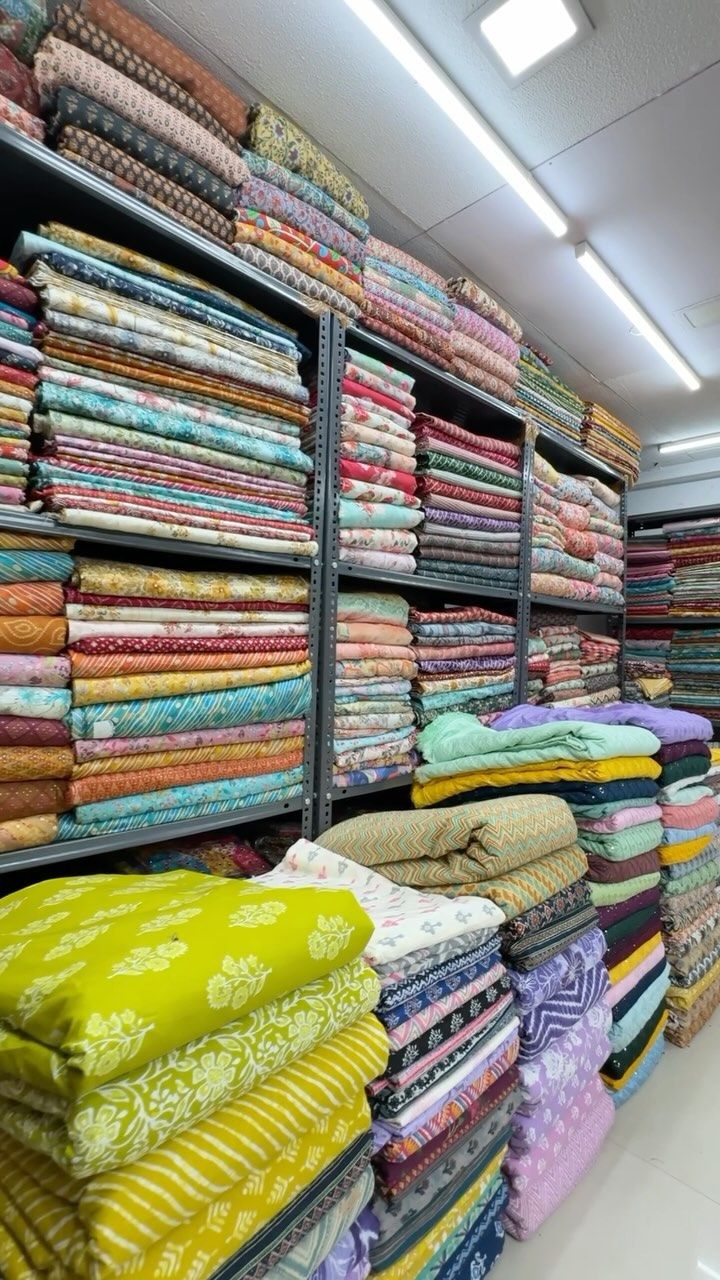

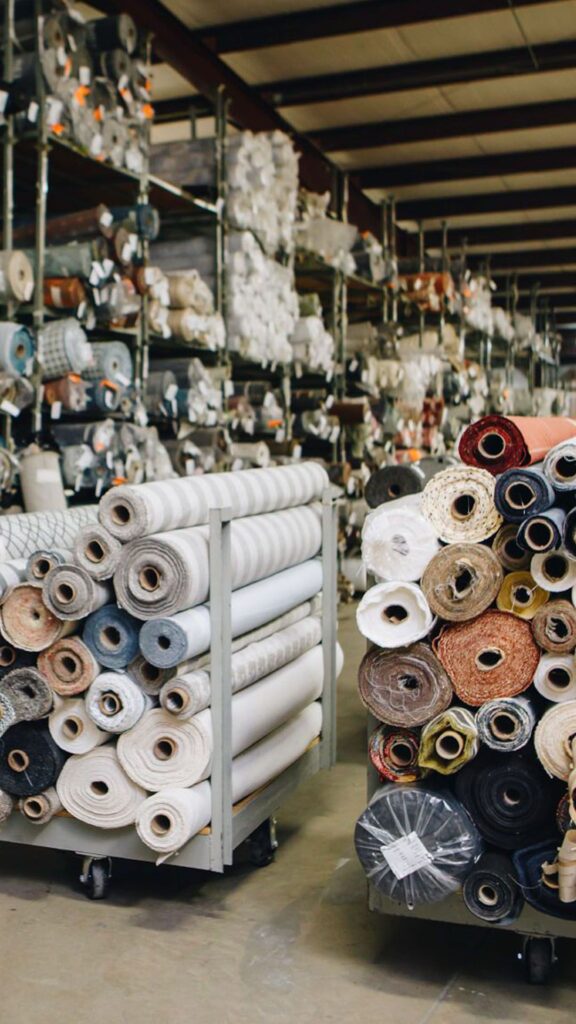

A textile trading business is pretty simple to explain once you strip away the jargon. You buy fabric in bulk from mills or wholesale markets, and you sell it forward to retailers, garment makers, or other wholesalers without touching a loom or a dyeing vat yourself. You’re the middleman. And in India, if you’re doing this seriously, Surat is where most roads lead, because it’s the biggest hub for man made and synthetic fabric in the country.
Now, why does this business even exist? Because a small retailer in, say, Nagpur or Indore can’t realistically walk into fifty different mills, negotiate prices, check quality, and manage transport for each one. They need someone who already knows the market. That someone is the trader. And that’s you, if you decide to go down this road.
Quick Summary
Here’s what this guide covers, how the Surat sourcing scene actually works, what you need before you place your first order, the mistakes people make in year one, and a rough framework to figure out if you’re ready to start.
This is written for people who are still in the “thinking about it” stage, or who’ve maybe placed one or two orders and realised it’s more complicated than it looked. If that’s you, keep reading.
Book a Free Demo
See how Wortal can simplify your business and help you close more deals.


Why Everyone Points to Surat
Most businesses don’t realise this until they actually visit, Surat isn’t one market. It’s a cluster of markets, each specialising in something different. Ring Road has its own character. Sahara Darwaja is different again. The areas around Katargam lean more toward certain fabric types. Walk into the wrong market looking for the wrong product, and you’ll waste a whole day.
I’ve seen new traders assume they can just “go to Surat” and figure it out on arrival. That almost never works well the first time. You need to know roughly which lane you’re heading into before you even book your ticket.
Here’s something worth knowing – a lot of business in Surat still runs on spoken word. Someone’s reputation and a phone call still carry more weight than a signed contract in plenty of these dealings. That’s not a bad thing, but it does mean a new trader without any local face time is going to get worse pricing and shorter credit terms than someone who’s been showing up for five years.
First, Figure Out What You’re Actually Going to Trade
This sounds obvious, but a lot of people skip it and just start buying whatever seems cheap. Bad idea. Your product choice decides almost everything else – who you buy from, who you sell to, and how much cash gets tied up at any given time.
Broadly, people end up in one of these lanes:
- Grey fabric – unprocessed, sold mostly to processing units
- Finished fabric – dyed and printed, ready to be stitched
- Sarees and dress material
- Suiting and shirting fabric
- Embroidered fabric or job work pieces
Let’s understand why this matters with a quick comparison. Someone trading grey fabric barely needs an eye for design, it’s really a numbers game, buy low, sell at a small margin, repeat. Someone trading sarees needs to actually understand what’s selling this festival season versus last one, because a saree that doesn’t move in three months is basically dead stock.
Business Tip: A lot of first-timers gravitate toward sarees because the margins look juicy on paper. What nobody tells them upfront is that unsold saree stock loses value fast once the design goes out of fashion. Grey fabric and basic suiting are boring by comparison, but they don’t punish you for being slow to sell.
Spend Time Learning Before You Spend Money Buying
This is the step almost everyone rushes, and it’s the one that ends up costing the most.
Go to Surat. Don’t place an order the first week. Walk the markets, sit with shopkeepers even when you’re not buying, and just ask questions – what’s their minimum order, how do they handle returns, what happens if the delivery is late. None of this is written down anywhere. You learn it by being there.
One thing I’d flag early: don’t build your whole business around one supplier. If that person raises prices overnight, or gets busy with a bigger client and starts pushing your orders down the priority list, you’re stuck. Aim for at least three or four people you can call in each product category before you start scaling up volume.
The Different Kinds of Suppliers You’ll Run Into
| Supplier Type | Good For | Usual Minimum Order | How They Expect Payment |
|---|---|---|---|
| Mill directly | Big volumes, best rates | High – often 500+ meters | Advance, or maybe 15 days credit |
| Wholesale market trader | Mixed lots, quicker turnaround | Medium | Mostly cash, sometimes short credit |
| Job-work unit | Custom embroidery or design work | Low to medium | Advance for raw material |
| Broker or commission agent | Getting access to several mills at once | Depends | Takes a commission |
Pro Tip: A broker will cost you a bit, usually somewhere between 2 to 5%. But in your first year, that cost is worth it. You learn faster, you avoid rookie pricing mistakes, and once you know the market yourself, you can drop the broker and go direct.
Your Cash Flow Will Break You Before Anything Else Does
This is the part people underestimate the most, honestly. When you’re sourcing from Surat, mills usually want their money upfront or within a couple weeks. Your own buyers, on the other hand, might take 30, 45, even 60 days to pay you back.
Somebody has to cover that gap. Either it’s your own savings, a loan, or you just grow slower than you’d like.
That’s where things usually go wrong for new traders, they calculate their capital based on the cost of the fabric alone. They forget transport, storage, and the weeks (sometimes months) they’ll be waiting for payment to actually land. You can be profitable on paper and still run out of cash in your bank account. It happens more than people admit.
Don’t Skip Quality Checks, Even With People You Trust
Fabric disputes almost always come down to quality – GSM that’s off from what was promised, colour that fades faster than it should, shrinkage after the first wash. And the annoying part is, you usually only find out after your buyer has already stitched or processed the fabric. By then it’s a real problem.
A simple checklist helps more than people expect:
- Physically check a sample from every fresh lot, not just your first order with a supplier
- Confirm GSM and width actually match what was agreed on
- Test for colour fastness if the fabric’s going to be washed or dyed further down the line
- Keep a signed swatch on file for suppliers you deal with regularly
- If something’s off, write it down and flag it right away, don’t let it slide
Common Mistake: People who’ve worked with the same supplier for years tend to stop checking. That’s exactly when quality slips – a mill under pressure from a bigger order might quietly swap out yarn quality without saying a word. Trust the relationship, but keep checking the fabric anyway.
A Buyer List Isn’t the Same as a Distribution System
Here’s a distinction that took me a while to really appreciate. A buyer list just means you know who to call when you’ve got stock sitting around. A distribution system means you already have a rough sense of how much each buyer needs, month to month, so your sourcing trips are planned instead of guessed.
A lot of small trading businesses hit a ceiling right here. They keep buying, keep selling, but they never actually build any memory into the business, which buyer likes what fabric, how big their typical order is, when they usually come back for more. It all lives in someone’s head or scattered across WhatsApp chats.
This is exactly the kind of problem something like Wortal ends up solving in practice. Instead of trying to remember buyer preferences and order history from memory or old notebooks, a CRM built with textile and trading businesses in mind just keeps that record for you – supplier details, what each buyer tends to order, when to follow up. For someone juggling dozens of relationships on both the buying and selling side, that alone can be the difference between a business that keeps growing and one that stays the same size year after year.
A Rough Way to Decide If You’re Ready
A Real Example: How One Wholesaler Fixed a Fragile Supply Chain
An Indore based wholesaler had been buying dress material from one Surat supplier for close to two years. Then, right before the festive season, that supplier hiked prices by 18% out of nowhere. No warning, no room to negotiate. The wholesaler either had to eat the cost or risk losing regular customers who wouldn’t accept a price jump.
Instead of just hunting for one replacement, they spent about six weeks actually in Surat, meeting suppliers across two different markets – some mill-direct, some wholesale traders. They didn’t jump straight to big orders either. Small trial orders first, just to compare quality and see who actually delivered on time.
Somewhere in that process, they also started keeping a simple record – pricing, minimum order size, delivery timelines for each supplier. That spreadsheet later became a proper CRM setup once the list crossed ten suppliers.
Four months in, no single supplier accounted for more than 30% of their total purchases. Six months after that, when another supplier tried the same price hike trick, the wholesaler just shifted volume elsewhere instead of losing margin.
The lesson here isn’t really about big traders. It’s that small traders arguably need supplier diversity even more, because they don’t have the size to push back on price hikes alone.
Key Takeaways
- A textile trading business runs on relationships and product knowledge first, money second
- Surat isn’t a single market, treat it like several smaller markets stitched together
- Choose your fabric category early since it shapes everything downstream
- Don’t rely on one supplier, three to four per category is a safer number
- Budget for the full cash cycle, not just the purchase price
- Keep checking quality even after years with the same supplier
- Build an actual system for tracking buyers, not just a phone list
- Diversify suppliers before you’re forced to, not after a price shock
- Brokers are fine in year one, use them to learn, then move on
- Write things down, even when the culture around you doesn’t
One Last Thing
The traders who stick around in this business for the long run usually weren’t the ones who placed the biggest first order. They’re the ones who spent real time learning the market before putting money into it. Surat has a way of rewarding patience more than capital and most people only really learn that after a rough first season.
FAQs
Small traders often begin somewhere around Rs.2-5 lakh, but the number changes a lot depending on your product. The bigger issue usually isn’t the purchase amount, it’s having enough working capital to survive the gap between paying suppliers and getting paid by your own buyers.
Grey fabric is generally friendlier for beginners since it doesn’t need much design sense, just an eye for pricing and volume. Finished fabric, especially sarees, needs you to track design trends closely, and unsold stock can lose value fast.
You can, technically, but it’s risky in the beginning. Quality checks and trust building are hard to do over a phone call, and a lot of the real pricing conversations happen face to face, not over text.
It really depends on who you’re buying from. Mills often ask for 500+ meters. Wholesale traders will sometimes let you take smaller mixed lots. Job-work units doing custom designs usually have the lowest minimums.
Start small, place trial orders before committing to bulk. Always check a physical sample, and don’t put all your buying with just one person. Even if the culture leans verbal, get the important terms written down somewhere.
If you’re new, a broker gets you moving faster and gives you access without months of relationship building. Once you understand pricing yourself, going direct usually improves your margins, so think of the broker as a temporary step.
As soon as your orders become somewhat regular, ideally within the first six months. Waiting until your only supplier lets you down is usually too late to react well.
Yes, and it happens fairly often. It usually starts once a retailer has enough steady demand to justify buying in bulk, and enough cash cushion to handle the payment gap that comes with it.
Sometimes a mill takes on a bigger order and quietly cuts corners on yarn quality to meet it, without telling smaller regular buyers. It’s not always intentional dishonesty, it’s pressure. Either way, keep checking, regardless of how long you’ve worked together.
Your purchasing turns reactive instead of planned. You end up overstocked on fabric nobody wants, or short on stock right when demand peaks. This is one of the quieter reasons small trading businesses stop growing.