
A free CRM is customer relationship management software you can use without paying a subscription fee. It keeps your customer details, sales leads, follow-ups and conversations in one place. So instead of juggling spreadsheets, notebooks and scattered WhatsApp chats, you have a single system that holds everything.
For a small business, this makes a real difference. Think about the enquiries that arrive through your website, Instagram, phone calls and WhatsApp. Without a proper system, a few of them slip through. Follow-ups get delayed, and the customer who was ready to buy ends up talking to your competitor.
This is why so many startups and growing businesses start hunting for free CRM software. The real question is whether a free version will be enough for you. Let’s go through how it works.
Book a Free Demo
See how Wortal can simplify your business and help you close more deals.


Quick Summary
This guide covers:
- What a free CRM is and how it works.
- Its essential features and business benefits.
- The limitations of free CRM tools.
- How different businesses can use CRM software.
- What to check before choosing a CRM.
It is most useful for startup founders, retailers, wholesalers, manufacturers and small business owners.
How Does a Free CRM Work?
A free CRM collects and organises your customer information so your team can handle relationships and sales without confusion.
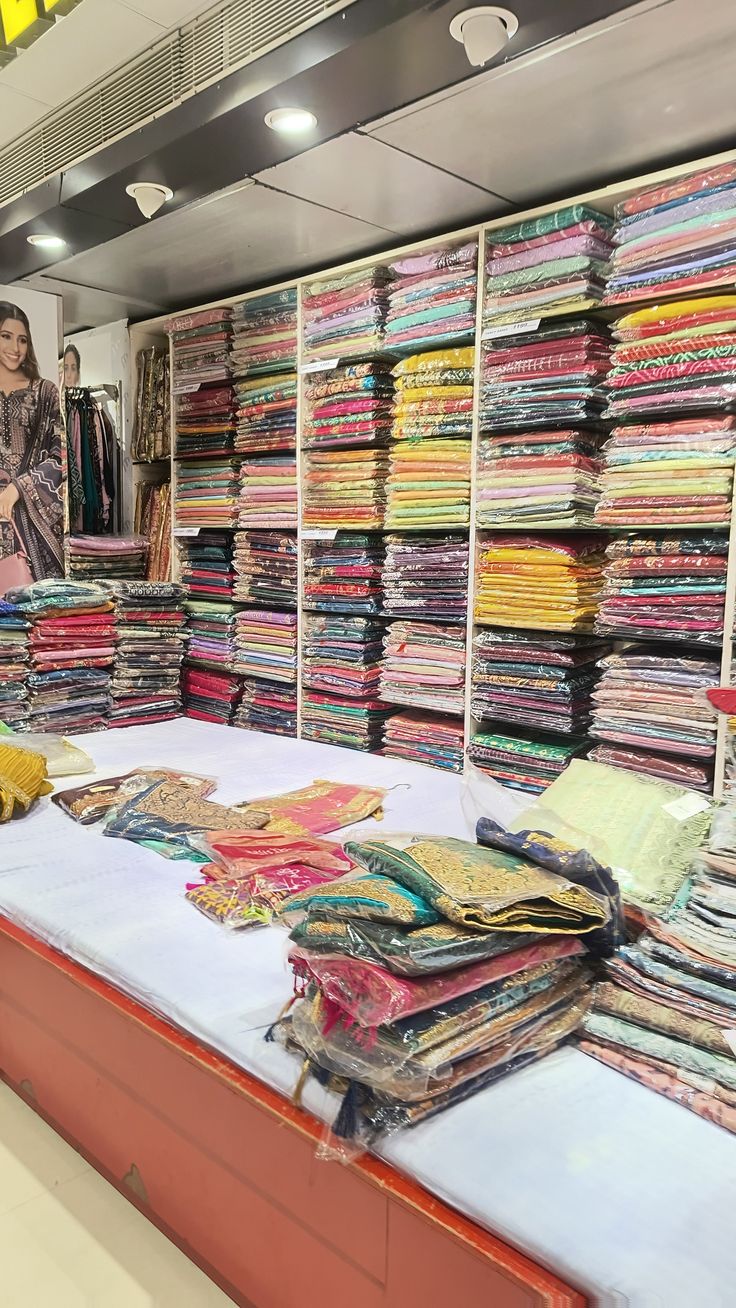
Here’s a simple example. A textile wholesaler gets an enquiry from a retailer who wants 500 pieces of fabric. The salesperson enters it into the CRM along with the retailer’s contact details, what they need and the expected order value.
From there, the salesperson can:
- Record the new enquiry.
- Assign it to a sales representative.
- Schedule a follow-up.
- Update the sales opportunity.
- Record the final outcome.
Nobody has to rely on memory anymore. The business has a clear record of every interaction.
How Does CRM Manage the Sales Process?
A typical CRM sales pipeline looks like this:
New Enquiry → Contacted → Follow-up → Quotation Sent → Negotiation → Deal Won/Lost
Once your enquiries sit in a pipeline like this, you can see which ones need attention and where potential customers are getting stuck.
What Features Should You Expect in Free CRM Software?
Free CRMs don’t all offer the same things. Some give you only basic contact management, while others add limited sales automation and reporting.
These are the features worth checking:
| CRM Feature | How It Helps |
| Contact Management | Stores customer names, phone numbers and other details. |
| Lead Management | Keeps incoming business enquiries organised. |
| Follow-up Reminders | Reminds salespeople about pending conversations. |
| Sales Pipeline | Tracks opportunities at each stage. |
| Task Management | Assigns sales activities to team members. |
| Reporting | Shows basic sales and lead performance. |
| Communication History | Keeps a record of customer interactions. |
Expert Insight: Don’t pick a CRM just because it has the longest feature list. What matters is whether your team can actually use those features in their daily sales work.
Benefits of Using a Free CRM for Small Businesses
A free CRM lets you set up an organised way of handling customers without spending on expensive software right away.
Here are the practical benefits:
- Better Lead Management
Every enquiry gets a proper place in your system. Your team can follow potential customers without digging through messages and spreadsheets. - Fewer Missed Follow-ups
Salespeople can see which follow-ups are pending and contact customers at the right time. - Centralised Customer Information
Contact details, enquiry history and sales conversations all stay together in one place. - Improved Team Coordination
Sales managers can see who is handling which enquiry and keep an eye on pending work. - Lower Initial Investment
Startups and small businesses can try CRM software without taking on another monthly expense.
What Are the Limitations of Free CRM Software?
Free doesn’t always mean unlimited. Most providers put limits on features, users, storage or automation.
Here are the common ones:
- Limited Users: Some plans allow only a handful of team members.
- Restricted Automation: Advanced follow-up workflows often need a paid plan.
- Limited Reporting: Detailed sales analysis may not be available.
- Integration Restrictions: WhatsApp, email and other third-party integrations may be limited.
- Storage Limits: If you handle a large customer database, you may need more capacity.
Common Mistake: A business picks a free CRM to suit what it needs today and ignores future growth. Once the sales team expands, switching systems means moving data and retraining employees.
Before you choose, read the provider’s free-plan conditions and find out what the upgrade will cost.
How to Choose the Right Free CRM for Your Business
Choosing a CRM gets easier when you start from what your business actually needs.
Ask yourself these five questions:
- How many users need access? Count the employees who will use the system.
- How do you receive enquiries? Think about website forms, phone calls, social media and WhatsApp.
- Do you need follow-up automation? Check whether reminders and automated workflows come with the plan.
- Do you send quotations? If you send them regularly, look for this functionality.
- Can the CRM support future growth? Look at its upgrade options and pricing.
A CRM should fit the way you sell. Your team shouldn’t have to bend around a complicated workflow.
Is a Free CRM Suitable for Every Industry?
Every industry handles customers a little differently.
| Business Type | How CRM Helps |
| Retail Business | Manages customer enquiries and repeat sales opportunities. |
| Textile Wholesaler | Tracks retailer enquiries, follow-ups and quotations. |
| Manufacturer | Keeps distributor and buyer relationships organised. |
| Real Estate Company | Tracks property enquiries and site visits. |
| IT & SaaS Company | Manages software enquiries and sales opportunities. |
| Startup | Keeps early-stage customer information in order. |
A real estate salesperson, for example, may need to note down property preferences and site visits. A textile manufacturer will care more about buyer enquiries, quotations and order discussions.
So the right CRM depends on how complex your sales activity is.
Case Study: How a Small Textile Business Can Use CRM
The following is an illustrative business scenario.
A textile wholesaler gets enquiries from retailers through WhatsApp, phone calls and personal references. At first, two salespeople handle everything with spreadsheets and their own phone records.
As the enquiries grow, the cracks start to show. Some retailers don’t get their quotations on time, follow-ups are forgotten, and the owner has little idea what the sales team is actually doing.
The Solution
The business brings in CRM software and starts recording every new enquiry in one system.
The setup includes:
- Adding existing customer and lead details.
- Assigning enquiries to salespeople.
- Creating follow-up tasks.
- Tracking quotations and sales opportunities.
- Reviewing pending enquiries regularly.
The Result
The business now has a much clearer picture of its sales pipeline. Employees know which customers need attention, and the owner can check pending opportunities without chasing everyone for separate updates.
Lesson: CRM software won’t increase your sales on its own. Its real value comes from giving you a consistent way to handle every customer enquiry.
When Should You Move From Free to Paid CRM?
A free CRM is a sensible place to start, but a growing business will probably need more at some point.
Think about upgrading when:
- Your sales team grows beyond the free user limit.
- You need automated follow-up workflows.
- You need detailed sales reports.
- You want WhatsApp communication integrations.
- You want quotations and sales activity management on one platform.
If you’re ready to move beyond basic customer records, Wortal CRM gives you a more organised way to manage sales.
It lets you handle leads, follow-ups, quotations, WhatsApp communication and sales activities from one platform. For growing teams that want better control over how they bring in customers, this can be a useful fit.
Explore Wortal CRM to see how it can support your sales workflow.
Key Takeaways
- A free CRM helps you manage customer information without an upfront subscription cost.
- It keeps leads, contacts and sales activities organised.
- Follow-up reminders mean fewer missed opportunities.
- A sales pipeline shows you how ongoing deals are moving.
- Free plans often come with user and feature limits.
- Different industries have different CRM needs.
- Think about future scalability before you choose.
- CRM software works best when employees update it regularly.
- Growing businesses may eventually need advanced automation and reporting.
- The right CRM should make everyday sales work simpler.
Frequently Asked Questions (FAQs)
What is a free CRM used for?
A free CRM helps you manage customer details, sales leads, follow-ups and communication. It gives you one organised place to store customer information and keep track of sales opportunities, without paying a software subscription upfront.
Is free CRM software really free?
Some providers offer plans that stay free permanently, while others only give a limited free trial. Always check the pricing conditions, user limits, storage restrictions and included features before you sign up.
Who should use a free CRM?
Startups, small businesses, retailers, wholesalers, manufacturers and independent sales professionals can all use a free CRM to organise customer information and handle enquiries better.
Can I manage sales leads using a free CRM?
Yes. Most basic CRM tools let you record enquiries, update lead status and track sales opportunities. Advanced lead assignment and automated workflows, though, may need a paid plan.
What is the difference between free and paid CRM?
Free plans usually cover the essentials of customer and lead management. Paid versions may add advanced automation, detailed reporting, more users, integrations and extra storage.
Is a free CRM suitable for startups?
Yes. It helps startups organise early customer relationships without adding to software costs. It also lets founders build a structured sales process before the team grows.
Can a CRM manage WhatsApp enquiries?
Some CRM platforms support WhatsApp integration, which helps businesses handle customer communication in a more organised way. But WhatsApp integration isn’t part of every free plan, and it may come with extra charges.
How many users can access a free CRM?
It depends on the provider. Some allow only one or two users, while others offer a higher free-user limit. Check the current plan conditions before you add your sales team.
When should a business upgrade its CRM?
Think about upgrading when you need more users, advanced reporting, automated follow-ups, integrations or other sales management features that your free plan doesn’t offer.
Which CRM is suitable for growing businesses?
A good CRM should support lead management, follow-ups, sales pipeline tracking and team coordination. If you also need quotations and WhatsApp communication, you can explore platforms such as Wortal CRM
Final Thoughts
A free CRM is a practical starting point for any business that wants to move away from scattered customer records and untracked follow-ups.
But the real benefit of CRM software isn’t just storing customer details. It’s making sure every enquiry is tracked, every important conversation is recorded and every sales opportunity gets the attention it deserves.
Start with the features your business needs today, but pick a platform that can grow with you tomorrow.