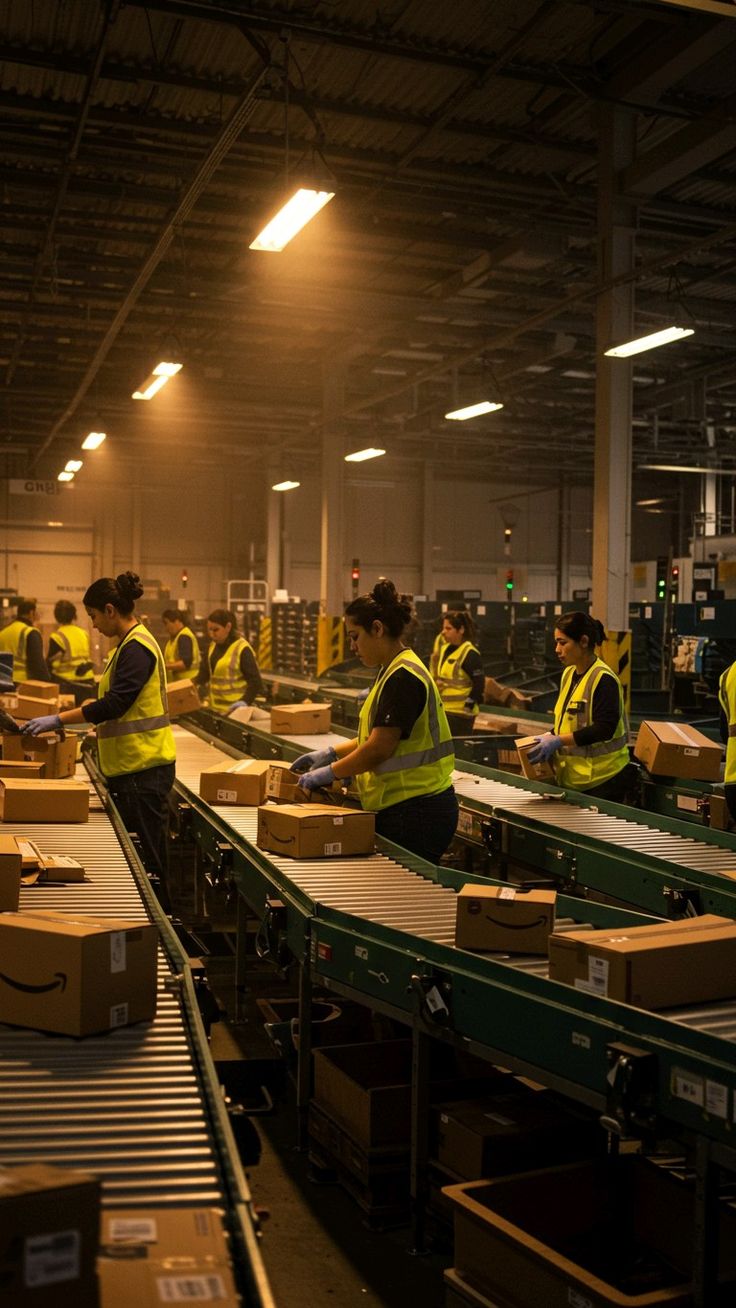


Walk through any textile market in Surat, Ahmedabad or anywhere in India and you’ll notice the same pattern everywhere – sales teams juggling WhatsApp inquiries, urgent rate requests, dispatch follow-ups and customer calls all day long.
For many fabric and garment businesses, this daily chaos has become normal.
A customer asks for fabric rates. Someone from the sales team shares a quotation. Another staff member gives a different rate later. Dispatch updates are missing. Payment follow-ups happen randomly. And after a point, nobody clearly remembers which party ordered what.
This is exactly why Textile CRM software has become important for textile businesses in 2026.
Earlier, CRM systems were mostly used by large corporations. Now even medium-sized fabric traders and garment manufacturers are adopting textile CRM tools because managing everything manually simply slows business growth.
The right CRM software helps organize customer communication, quotations, order tracking, payment follow-ups and sales activities from one place. More importantly, it reduces operational confusion.
If you’re planning to invest in textile CRM software this year, this guide will help you understand what actually matters before making a decision.
Book a Free Demo
See how Wortal can simplify your business and help you close more deals.


What is Textile CRM Software?
Textile CRM software is a customer and sales management system built specifically for textile and garment businesses.
Unlike generic CRM platforms, textile CRM systems are designed around how fabric and garment businesses actually work.
For example, textile businesses regularly deal with:
- Dealer-specific pricing
- Frequent rate changes
- Multiple fabric variants
- Dispatch coordination
- Repeat customer orders
- Sales follow-ups through WhatsApp
A normal CRM may manage leads properly, but it often fails to handle textile-specific workflows smoothly.
That’s where industry-focused software becomes useful.
Why Textile Businesses Are Moving Towards CRM Software
A few years ago, many textile businesses could still manage operations through Excel sheets and phone calls.
That becomes difficult once inquiries increase.
Most growing businesses eventually face issues like:
- Missed customer follow-ups
- Confusion in pending orders
- Delayed quotations
- Payment tracking problems
- Lack of sales visibility
- Poor coordination between sales and dispatch teams
These problems usually don’t appear suddenly. They build slowly as business volume increases.
One common situation in textile markets is this: the owner knows business is happening, but doesn’t have a clear picture of which customers are active, which quotations are pending or where the sales team is losing opportunities.
A CRM solves that gap.
Important Features to Look for in Textile CRM Software
Not every CRM works well for textile businesses. Choosing software only because it looks modern can create more operational problems later.
Here are the features that genuinely matter.
Customer & Dealer Management
Textile businesses often deal with retailers, wholesalers, distributors, agents and repeat buyers at the same time.
The CRM should help you maintain:
- Customer contact details
- Purchase history
- Pending payments
- Order frequency
- Previous communication
- Dealer-specific pricing
This becomes extremely useful when the same customer contacts different salespersons.
Instead of depending on memory, the team can instantly access proper records.
Fast Quotation Management
In textile trading, speed matters.
A buyer asking for rates usually contacts multiple suppliers together. Businesses that respond faster often close orders first.
Good textile CRM software should help generate:
- GST-ready quotations
- PDF estimates
- WhatsApp quotations
- Customer-wise pricing
Some businesses still prepare quotations manually every time. That wastes unnecessary time, especially during peak seasons.
Order Tracking
This is one area where many textile businesses struggle.
Once orders start increasing, tracking dispatches manually becomes difficult. Customers keep calling for updates, and sales teams spend half the day coordinating internally.
A CRM with order tracking helps monitor:
- Pending orders
- Dispatch status
- Production updates
- Delivery timelines
- Repeat orders
Even basic visibility here can reduce operational confusion significantly.
WhatsApp Integration
In India, textile business communication runs heavily on WhatsApp.
Most inquiries, fabric photos, rates and follow-ups happen there.
Modern Textile CRM software in 2026 should support:
- WhatsApp communication history
- Automated reminders
- Payment follow-ups
- Quotation sharing
- Order updates
This doesn’t just improve communication. It also prevents important conversations from getting lost between staff members.
Mobile Access
Most textile business owners are constantly moving – warehouse visits, market meetings, supplier discussions and customer appointments.
A mobile-friendly CRM allows users to:
- Check customer history
- Track pending payments
- Monitor sales activity
- Approve quotations
- Review reports
Without mobile access, software adoption usually becomes weak.
Textile CRM vs ERP: Understanding the Difference
Many business owners confuse CRM software with ERP systems.
The difference is actually simple.
CRM focuses mainly on:
- Customers
- Sales
- Follow-ups
- Quotations
- Communication
ERP focuses more on:
- Accounting
- Inventory
- Production
- Billing
- Operations
In reality, textile businesses often need both.
That’s why many companies now prefer integrated textile ERP and CRM software instead of running separate systems.
Latest Textile CRM Trends in India
The textile industry is becoming more technology-driven every year.
Businesses that once avoided software are now actively looking for automation because manual systems are becoming difficult to manage at scale.
Here are some major trends in 2026.
Cloud-Based Textile Software
Cloud adoption has increased rapidly among textile businesses.
The biggest reason is flexibility.
Owners can now access reports, pending orders and sales data from anywhere without depending on office systems.
Cloud-based textile CRM software also helps with:
- Multi-branch management
- Automatic backups
- Real-time updates
- Better data security
This is especially useful for businesses operating across multiple cities.
GST & E-Invoicing Integration
Compliance requirements are increasing every year.
For FY 2025-26, many businesses prefer CRM software that supports:
- GST-ready billing
- E-invoicing
- E-way bill generation
- Automated sales reports
Managing compliance manually becomes stressful once transaction volumes increase.
Integrated systems reduce repetitive work considerably.
Sales Automation
Textile businesses are also automating routine sales activities now.
Modern CRM systems can help with:
- Follow-up reminders
- Lead management
- Customer communication tracking
- Salesperson activity monitoring
This helps sales teams stay more organized instead of relying entirely on memory.
Common Mistakes Businesses Make While Choosing CRM Software
Choosing Generic CRM Platforms
This is probably the biggest mistake.
Many businesses purchase software designed for general industries and later realize it doesn’t fit textile workflows properly.
Textile businesses have different operational requirements:
- Fabric variants
- Shade references
- Dealer pricing
- Dispatch coordination
- Market-based quotations
Industry-specific CRM systems usually work better.
Focusing Only on Price
Cheap software often becomes expensive later because of poor support and operational limitations.
Instead of choosing the lowest-cost option, evaluate:
- Ease of use
- Industry relevance
- Customer support
- Integration capability
- Scalability
Software should simplify work, not create additional dependency on manual adjustments.
Ignoring Staff Usability
Sometimes owners like the software, but employees struggle to use it daily.
That creates low adoption.
If salespersons avoid entering updates properly, the CRM eventually becomes incomplete and unreliable.
Simple software usually performs better in real business environments.
How to Choose the Right Textile CRM Software
Before finalizing any CRM software, take a proper live demo.
Don’t just look at presentation slides.Check whether the software can genuinely handle your daily workflow.
Ask questions like:
- Can it manage dealer-wise pricing?
- Does it support WhatsApp communication?
- Is mobile access smooth?
- Can quotations be generated quickly?
- Does it integrate with accounting software?
- Is support available when issues arise?
A practical demo often reveals more than feature lists.
Final Thoughts
The textile industry in India is moving towards faster and more organized operations. Businesses that still depend completely on manual coordination often struggle once sales volume starts increasing.
Investing in the right Textile CRM software is no longer just about technology. It’s about improving customer handling, reducing operational confusion and creating a more scalable business system.
The best software is not necessarily the one with the most features. It’s the one your team can actually use comfortably every day.
Before making a final decision, focus on practicality, ease of use and textile-specific functionality. A well-designed CRM can save hours of manual work, improve customer response time and bring much better visibility into your business operations in 2026.